 |
Composers:
AfriClassical Blog
William J. Zick, Webmaster,
wzick@ameritech.net
© Copyright 2006 - 2022
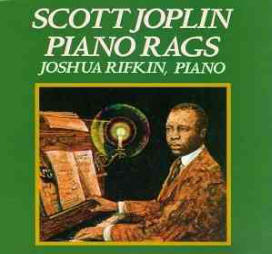
Scott Joplin Piano Rags
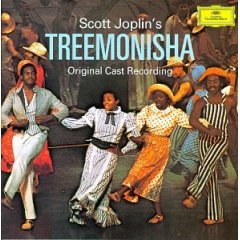
Scott Joplin's Treemonisha
|
Home -> Composers -> Joplin, Scott
1 Youth His father was a former slave who worked as a laborer. His mother was born free in Kentucky. Both played musical instruments, and Scott and his five siblings were raised in a musical environment in which singing, fiddles and banjos were common. Africana Encyclopedia describes Scott's early musical training:
At the age of 11 the boy learned the basics of music theory from
a local musician with classical training. Joplin left home while
still a teenager, and it is thought that he then supported
himself as an itinerant pianist working at bars and brothels in
such places as St. Louis, Memphis and Dallas.
Joplin attended performances of well-known pianists at the
event, where he also met his friend and partner Otis Saunders. For the next two years they were part of a traveling quartet
which performed pieces composed by Joplin.
4
Maple Leaf Rag
6 Piano Rags
7 Death
Upon his death on April 1, 1917, Joplin was survived by his
second wife, Lottie Stokes Joplin. His creative output was large
and noteworthy, but it was neglected for decades.
The choreographer and stage
director was the famed African American dancer Katherine Dunham.
Uzee Brown, Jr. made his operatic debut in the role of Parson
Alltalk.
The opera concludes with “A Real Slow Drag.” Schonberg writes:
The opera's professional
premiere is generally considered to have been the 1975
production of the Houston Grand Opera, for which Gunther
Schuller produced the orchestration. The music can be heard on
an original cast recording, Polygram 435709 (1992).
11 The Entertainer
12 Additional
Recordings
13 Resources
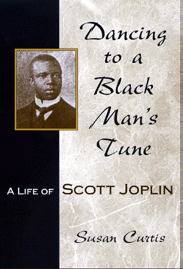
14 Bibliography "A battle of pianos" in Everybody's magazine, v9 (1903/XII) p845. "A plea for ragtime" in Ragtime review, v1 (1915/XI) p4. "A ragtime pioneer" in Ragtime review, v1 (1915/IX) p8. "Americans in the rough" in Outlook, v81 (1905/XII/23), p956-957. "And this man is right" in Christensen's ragtime review, v1 (1915/IV) p3. "Another defender of ragtime" in Christensen's review, v1 (1915/IV) p3. "Did you know ragtime music was born in Sedalia?" in Sedalia Democrat (1947/VI/29). "Dr. Damrosch hits ragtime" in Musical America, v18 (1913/VII/26) p7. "Ducasse uses ragtime in new tone poem" in Musical America, v37 (1923/III/10), p15. "Dvorak on Negro melodies" in Musical record (1894/VII) p9. "Flays rag-time not reflecting Americanism" in Musical America, v28 (1918/VII/20) p22. "Idealized ragtime" in Musical America, v18 (1913/VIII/9) p20. "Missouri was the birthplace of ragtime" in St. Louis post-dispatch (1961/I/18). "Negro melodies vs. coon songs" in Etude, v23 (1905/III) p103. "Popular music, a curse or a blessing" in Current literature, v53 1912/IX) p335. "Ragging and jazzing" in Metronome 1919/XI-XII) p34. "Ragtime as a source of national music" in Musical America ,v17 (1913/II/15) p37. "Ragtime begins" in Record changer, v8 (1948/III) p8. "Ragtime causing mental ailments" in Musical America, v18 (1918/VII/15) p28. "Ragtime has vitality" in Ragtime review, v1 (1916/II) p8. "Ragtime" in Outlook, v104 (1913/V/24) p137. "Ragtime" in Ragtime review, v2 (1916/V) p4. "Scott Joplin is dead" in Ragtime review, v3 (1917/VII) p13. "The Louisiana Purchase Exposition" in Voice of the Negro, v1 (1904/VIII) p342. "The origin of ragtime: B Harney and Haynes" in Billboard (1910/IX/3). "The St. Louis fair" in Outlook, v73 (1903/IV/25) p952-915. "What rags will live forever?" in Ragtime review, v1 (1915/X) p6. "What the concert-goer says of The Negro music journal" in Ngero music journal, v1 (1902/X) p27-28. "Will ragtime turn to symphonic poems?" in Etude, v38 (1920/V) p305. "World's Columbian Exposition; Bulletin of Exposition concerts to July 28th" in Etude, v11 (1893/IV) p80. "World's Fair music; Professor Ernest R. Kroeger appointed Director of Programmes and Awards" in World's Fair bulletin, v4 (1902/XII) p18. [Contents of Treemonisha with 13 midi-sequenced playbacks, synopsis, and significant links] Wysiwyg://8/http://www.geocities.c…bonStreet/Bayou/2314/treehom.html [Portrait] http://spight.physics.unlv.edu/j/joplinsc.htm [Ragtime MIDI files] http://www.ragtimers.org/%7Eragtimers/midi/ 9p. [Ragtime Press: Miscellaneous] http://www.rtpress.com/misc_ms-htm 2p. “6th Biennial Symposium and Festival Institute of Education, University of London.” http://homestead.com/files/2000concertprogrammenotes/Cima2.html. 15p. (2000). Consulted 2003/IV/23. “A belated note of tribute paid to ragtime’s Scott Joplin here” in New York times (1974/VIII/19). “An old ragtime piano man goes to the opera” in Ebony, v27 (1972/IV) p84-91. “Composer of ragtime now writing opera” in New York age (1908/III/5) p34. “Joplin Trust countersues” in Billboard, v87 (1975/V/10) p50. “Joplin wins Pulitzer Prize that ducked Duke in 1965” in Jet, v50 (1976/V/20) p53. “King of ragtime dies” in New York age (1917/IV/13) p20. “King of ragtimers” in Time, v61 (1950/X/30) p48. “Nyaho” http://www.nyaho/com/rep.html. 2p. Consulted 2003/VI/02. “Scott Joplin is dead” in Ragtime review, v3 (1917/VI) p13. “Scott Joplin rediscovered” in Ragtimer (1972/V-VI) p13-16; (1973/I-II) p12-13. “Scott Joplin, 1868-1917” in A salute to historic Blacks in the arts. Chicago: Empack Publishing Co., 1996, p40-41. “Scott Joplin’s CD releases” http://www.ragtimers.org/artists/joplin/cds.html. 3p.. Consulated 2000/Í/30. “Scott Joplin” in American music and art journal (1907/XII/13) p5. “Sedalia, Mo., stakes claim as birthplace of ragtime; Pitches for historical status” in Variety, n240 (1965/XI/10) p1. “Sue Joplin Trust on Treemonisha” in Billboard, v87 (1975/IV/12) p94. “Treemonisha, 1972’s most exciting broadcast” in Profile [Indianapolis] v4n5 (1972/V) p10-11. A guide to the Scott Joplin Collection in the Fisk University Library. Nashville: Fisk University, 1961. 9p. Abdul-Rahim, Raoul. “Composer T. J. Anderson acclaimed” in New York Amsterdam news (1979/VIII/11) p20. Abdul-Rahim, Raoul. “Operas by Black composers” in Blacks in classical music. New York: Dodd, Mead, 1977, p123-126. Ainscough, Mike. “Some brief notes on ragtime; The influence of Scott Joplin” in Clanfolk (1971/spring) p22-25. RILM 76/14123. Albrecht, Theodore. "Julius Weiss, Scott Joplin's first piano teacher" in College music symposium, v19 (1979/Fall) p89-105. Aldrich, Richard. "American composers" in Etude, v17 (1899/V) p135-137. American music, v1n1, p41; v1n2, p79; v1n4, p91; v3n1, p102; v4n1, p122; v4n4, p420; v8n3, p370; v9n3, p260. Argyle, Ray. Scott Joplin and the age of ragtime. Jefferson NC: McFarland & Co., 2009. x, 121p. ASCAP. Biographical dictionary of composers, authors, and publishers. New York: ASCAP, 1948, 1980 (-1919) Atkins, Jerry. Scott Joplin and Texarkana. [mimeographed typescript] Bacon, Ed. “Treemonisha tremendous” in Ledger-star [Norfolk] (1974/III/23). Beiswanger, George. “Joplin opera is triumph of artistry, human spirit” in Ragtimer (1973/III-IV) p11-12. [Treemonisha]. Bell-Smith, Pel. “The Scott Joplin Ragtime Festival, Sedalia, Missouri, July 25th-28th, 1974” in Ragtimer (1974/IX-X) p10-11. Bender, William. “Scott Joplin, from rags to opera” in Time, v106n11 (1975/IX/15) p85-86. Bennett, Mark. History of the Louisiana Purchase Exposition, by Mark Bennett and Frank Parker Stockbridge. St. Louis: Universal Exposition Publishing Co,, 1905. Berlin, Edward A. “Joplin, Scott” in International dictionary of Black composers, ed. by Samuel A. Floyd, Jr. Chicago: Fitzroy Dearborn, 1999, v2, p663-671. Berlin, Edward A. “Joplin, Scott” in The new Grove dictionary of American music, ed. by H. Wiley Hitchcock and Stanley Sadie. London: Macmillan, 1986, v2, p596-598. Berlin, Edward A. “Scott Joplin’s Treemonisha” in American music, v9 (1991) p260-276. Berlin, Edward A. King of ragtime: Scott Joplin and his era. New York: Oxford University Press, 1994. 352p. ISBN 0-19-508739-3 (cloth), 0-19-510108-1 (paperback, 1995). Berlin, Edward A. Ragtime; A musical and cultural history. Berkeley: University of California Press, 1980. Reprinted in 1984. Berlin, Edward A. Reflections and research on ragtime. New York: City University of New York, Institute for Studies in American Music, 1987. Berlin, Edward A. King of Ragtime: Scott Joplin and his era. New York: Oxford University Press., 1994. ISBN 0-19-510108-1. Berry, Lemuel, Jr. Biographical dictionary of Black musicians and music educators, vol. 1. Guthrie OK: Educational Book Publishers, 1978. Black music research journal 1981-1982, p82, 98, 142; 1987, p52, 60; v9n2, p136, 183, 205, 244; v010n1, p154 Black music research journal 1981-1982, p82, 98, 142; 1987, p52, 60; v9n2, p136, 183, 205, 244; v010n1, p154. Black music research newsletter Black perspective in music, v1n1, p102; v1n2, p202; v2n2, p160; v3n1, p105; v3n2, p49, 135, 184; v3n3, p332; v4n1, p109; v5n1, p129; v5n2, p235, 240, 242, 243; v6n2, p143; v7n1, p120; v7n2, p223; v8n1, p87, 120; v8n2, p172; v9n2, p207; v10n1, p29, 112; v10n2, p234; v12n2, p184, 278; v14n1, p10, 31. Blesh, Rudi. "Scott Joplin: Black-American classicist" in Scott Joplin complete piano works, ed. by Vera Brodsky Lawrence. New York: New York Public Library, 1981. ISBN 0-87104-272-X. Blesh, Rudi. “Scott Joplin, American classicist” in The collected works of Scott Joplin, ed., by Vera Brodsky Lawrence. New York: New York Public Library, 1971, pxxxvii. Blesh, Rudi. They all played ragtime, by Rudi Blesh and Harriet Janis. New York: Knopf, 1950. London: Sidgwick & Jackson, 1958. 2nd ed. New York: Grove, 1959. 3rd ed. London: Jazz Book Club, 1960. 4th ed. New York: Oak, 1971. London: Music Scales, 1971. Bolcom, William. “Ragtime revival: The collected works of Scott Joplin” in Yearbook for interamerican musical research, v8 (1972) p147-161. Booth 1979 Bordman, Gerald. American musical theater. New York: Oxford University Press, 2001. 917p. 3rd ed. ISBN 0-19-513074-X. Bowman, James Cloyd. "Anti-ragtime" in New republic, v 5 (1915/XI/6) p19. Brandt, Lilian. "The Negroes of St. Louis" in Southern workman, v33 (1904/IV) p223-228. Brooks, Tilford. America’s Black musical heritage. Englewood Cliffs: Prentice-Hall, 1984. Brown 1986, p26 Bruce, P. A. "The American Negro of to-day" in Contemporary review, v77 (1900/II) p284-297. Burnett, Clyde. “Treemonisha set for debut” in Atlanta journal (1972/I/28) p4A. Caldwell, Hansonia LaVerne. Black idioms in opera as reflected in the works of six Afro-American composers. Graduate paper (Ph.D., musicology) University of Southern California, 1974. iii, 280p. DA no.: 35/09:6179; DDM Code: 71opCalH; LC 74-23021; RILM no.: 76/0866dd; UMI no.: 75-06,403, 74-23021. Campbell, S. Brunson. "Ragtime begins; Early days with Scott Joplin" in Record changer, v8 (1948/III) p8, 16. Campbell, S. Brunson. “From rags to riches, a eulogy” in Jazz report, v5n5 (1967) p5-6. Campbell, S. Brunson. “Ragtime begins; Early days with Scott Joplin” in Record changer, v7 (1948/III) p8, 18. Campbell, S. Brunson. “The ragtime kid” in Jazz report, v6n1 (1967) p9-14; v6 (1967/XI) p7-12. Campbell, S. Brunson. "Sedalia, Missouri, cradle of ragtime" by S. Brunson Campbell and R. J. Carew, in Record changer (1945/V, VI). Cane, Giampiero. Canto nero. Bologna: Editrice Cleub, 1982. Carew, Roy J. “Scott Joplin, overlooked genius” by Roy J. Carew and Don E. Fowler, in Record changer (September 1944); (October 1944); (1944/XII). Carew, Roy J. “Treemonisha” in Record changer (1946/X) p17. Case, Brian. The illustrated encyclopedia of jazz, by Brian Case and Stan Britt. New York: Harmony Books, 1978. Center for Black Music Research. Digest v2n2, p4; v3n3, p2, 3, 6. Charters, Ann B. Danberg. The ragtime songbook; songs of the ragtime era by Scott Joplin, Hughie Cannon, Ben Harney, Will Marion Cook, Alex Rogers, and others, compiled and ed. with historical notes concerning the songs and times. New York: Oak Publications, 1965. 112p. Charters, Ann E. Danberg. "The acknowledged rag-time champion of the U.S." in Ragtime review (1962/X). Charters, Ann E. Danberg. “The first Negro folk opera; Treemonisha” in Jazz monthly, v8 (1962/VIII) p6-11. Cheslock, Louis. H. L. Mencken on music. New York: Knopf, 1961. Christensen, Axel. "Can ragtime be supressed?" in Christensen's ragtime review, v1 (1915/VI) p3-4. Claghorn, Charles Eugene. Biographical dictionary of jazz. Englewood Cliffs: Prentice-Hall, 1982. 377p. Cohen-Straytner, Barbara Naomi. Biographical dictionary of dance. New York: Schirmer Books, 1982. (ca. 1868-) Converse, C. Crozat. "Rag-time music" in Etude, v17 (1899.VI/7) p185; v17 (1899/VIII) p256. Crawford, Richard. America's music life; A history. New York: W. W. Norton, 2001. Crooks, Ann. "Ragtime's coming back" in Lake Superior cities magazine (1986/VII-VIII). Curtis, Natalie. "The Negro's contribution to the music of America; The larger opportunity of the colored man of today" in Craftsman, v23 (1915/III) p660-669. Curtis, Susan, ed. Dictionary of Missouri biography, edited by Susan Curtis and Lawrence O. Christensen. Columbia: University of Missouri Press, 1999. ISBN 0-8262-1222-0. Curtis, Susan. Dancing to a Black man’s tune; A life of Scott Joplin. Columbia: University of Missouri Press, 1994. xx, 265p. (Misouri biography series). ISBN 0-8262-0949-1. LC 93-46116. Library: Lerma. Danning, Jennifer. “Louis Johnson; I love dance, any kind of dance” in New York times (1975/IX/28) pD6. Davidson, Harry. "What has ragtime to do with American music?" in Ragtime review, v2 (1916/VIII) p3. Davis, Francis. The history of the blues: The roots, the music, the people. New York: Hyperion Press, 1995. ISBN 0-306-81296-7. Davis, Peter G. “Treemonisha, an innocent dream come true” in New York times (1975/VI/01) pD18. Diest, Norman Henry van. The rhythms of ragtime; An operational analysis of the music of Turpin, Joplin, Scott, and Lamb. Graduate paper (Ed. D., music) Columbia University, Teachers College, 1976. 278p. LC 77-27899. Doctorow, E. L. Ragtime. New York: Random House, 1975. Douglass, Frederick. "Introduction to the reason why the colored American is not in the World's Columbian Exposition" in The life and writings of Frederick Douglass, ed. by Philip S. Foner. New York: International Publisher, 1955, v4. Douglass, Frederick. "Inauguration of the World's Columbian Exposition" in World's Columbian Exposition illustrated, v3 (1893/III) p602. Dowd, Jerome. The Negro in American life. New York: Negro Universities Press, 1926. Downes, Olin. "An American composer" in Musical quarterly, v4 (1918/I) p23-36. Drimmer, Melvin. “Black opera in Atlanta” in Dissent (1972/spring) p393-395. Drimmer, Melvin. “Joplin’s Treemonisha in Atlanta” in Phylon, v34n2 (1973/XI) p197-202. Eagan, Richard A., Jr. Brun Campbell; The music of the ragtime kid. St. Louis: Morgan Publishing, 1993. Ellsworth, Ralph. “Americans on microgroove; A discography” in High fidelity, v6 (1956/VII) p69. Erdman, Andrew L.. Blue vaudeville, sex, morals, and the mass marketing of amusement, 1895-1915. Jefferson NC: McFarland, 2004. Evans, Mark. Scott Joplin and the ragtime years. New York: Dodd, Mead & Co., 1976. Vii, 120p. LC 75-38362. ISBN 0-396-07308-5. RILM 76/14198. Evett, Robert. “Dunham touch is dance magic” in Evening star and Washington daily news (1972/VIII/11) pC1. Ewen, David. Popular American composers from revolutionary times to the present; A biographical and critical guide. New York: H. W. Wilson, 1962. 217p. LC 62-9024. ISBN 0-8242-0040-3. Farwell, Arthur. "The struggle toward a national music" in North American review, v186 (1906/XII/22) p893-889. Feather, Leonard G. The encyclopedia of jazz. New York: Horizon Press, 1955. Fleming, Shirley. “Joplin’s Treemonisha; A patchwork of styles, touching and trying” in High fidelity/Musical America, v26n7 (1976/VII) p72-73. Forma, Warren. They were ragtime. New York: Grosset & Dunlap, 1976. Freeman, J. W. “Dagli Stati Uniti” in Rivista italiana di musicologia, v9n4 (1975) p645. Fuld, James J. “The few known autographs of Scott Joplin” in American music, v1n1 (1983/spring) p41-48. Gammond, Peter. Scott Joplin and the ragtime era, foreword by Eubie Blake. New York: St. Martin’s Press, 1975. 233p. LC 75-25758. Also issued from London by Abacus in paperback, ISBN 0-349-11412-9 and from London by Angus & Robertson, 1975. 223p. ISBN 0-207-95648-0. Gates, Henry Louis, Jr. The African-American century; How Black Americans have shaped our country. New York: SImon & Schuster, 2002. Gates, W. F. "Ethiopian syncopations; The decline of ragtime" in Musician, v7 (1902/IX) p341. Gazette's Sedalia city directory for 1892-3. Sedalia: Gazette Publishing Co., 1893. Gilder, John Francis. "Dvorak's American theory" in Musical record (1983/VII) p5. Gilman, Lawrence. "The new American music" in North American review, v179 (1904/XII) p868-872. Giola, Ted. The history of jazz. Oxford: Oxford University Press, 1998. Goldberg, Isaac. Tin Pan Alley; A chronicle of the American popular music racket. New York: The John Day Press, 1976. Whitefish MT: Kessinger, 2007. Goodrich, A. J. "Syncopated rhythm vs, rag-time" in Musician, v6 (1901/XI) p336. Gould's St. Louis directory for 1902. St. Louis: Gould Directory Co., 1903. Gould's St. Louis directory for 1903. St. Louis: Gould Directory Co., 1904. Greene, Frank. Composers on record; an index to biographical informatrion on 14,000 composers whose music has been recorded. Metuchen: Scarecrow Press, 1985. 636p. OSBN 0-8108-1816-7. Handy, D. Antoinette. Black music; Opinions and reviews. Ettrick VA: BM&M, 1974, p58. Handy, D. Antoinette. Black conductors. Lanham: Scarecrow Press, 1995. 2nd ed. 570p. ISBN 0-8108-2930-4. Original edition issued in 1981. Hankins, Roger. “The nine lives of Maple Leaf rag” in Ragtimer (1972/I-II) p4-7; (1972/III-IV) p4-10. Hanson, Bessie. "Ragtime, the American national music" in Christensen's ragtime review, v1 (1915/IV) p8. Hare, Maud Cuney. Negro musicians and their music. New York: Da Capo, 1974, 1936. Harris, M. A. A Negro history tour of Manhattan. New York: Greenwood Press, 1968. Harris, Steve. Film, television, and stage music on phonograph, a discography. Jefferson NC: McFarland, 1988. Haskins, James. Scott Joplin, by James Haskins with Kathleen Benson. Garden City NY: Doubleday, 1978. 248p. xiii, 248p. ISBN 0-385-11155-X; LC 76-50768. Hasse, John Edward, ed. Ragtime; Its history, composers, and music. New York: Schirmer, 1985. Hasse, John Edward. Cincinnati ragtime. Cincinnati: John Edward Hasse, 1983. Hayakawa, Samuel Ichiye. “The saga of Scott Joplin” in Scannoble courier, v12 (1974/IX) p7-8. Reprinted in Jazz report, v8n6 (1975) p7-9. Hebert, Rubye Nell. A study of the composition and performance of Scott Joplin’s opera Treemonisha. Graduate paper (D.M.A.) Ohio State University, 1976. vi, 50p. UMI. Henahan, Donal. “Treemonisha; A legend arrives” in New York times (1975/X/22) pL40. Herbert, Rubye Nell. A study of the composition and performance of Scott Joplin’s opera, Treemonisha. Document (D.M.A.) Ohio State University, 1976. vi, 51p. RILM 76/6044. Hernandez, Myra L. 1989. Style and structure of Scott Joplin's rags. Graduate paper (MM) Texas Tech University. xiii, 296p. UMI. Library: CBMR. Hill, W. D. “Saga of Scott Joplin, ragtime king” in Sedalia democrat (1962/II/11) p1. Hitchcock 1988, p133, 134 Hitchcock, Benjamin W. Musical, pictorial, and descriptive souvenir of the World's Columbian Exposition. Chicago: National Music Co., 1892. Hoefer, George. “Missouri group honors memory of Scott Joplin” in Down beat, v19 (1952/I/25) p9. Horne 1996 Horne, Aaron. String music by Black American composers. Westport: Greenwood Press, 1991 (Music reference collection, no. 33). xx, 327p. Foreword by Dominique-René de Lerma. ISBN 0-313-27938-1. Hoskins, James. Scott Joplin, the man who made ragtime. New York: Doubleday, 1978. Hoye's Sedalia, Mo. city directory. Sedalia: Sedalia Printing Co, 1903. Hubbs, Harold, "What is ragtime?" in Outlook, v118 (1918/II/27) p345. Hughes, Rupert. "A eulogy of rag-time" in Musical record (1899/IV) p157-159. Hummel, David. The collector’s guide to the American musical theatre. Metuchen: Scarecrow Press, 1984. 2 vols. 940p. Jablonski, Edward. The encyclopedia of American music. Garden City: Doubleday & Co., 1981, p148 Jasen, David A. Rags and ragtime: A musical history, by David A. Jasen and Trebor Jay Tichenor. New York: Dover Publications, 1978. ISBN 0-486-25922-6. Jasen, David A. That American rag; The story of ragtime from coast to coast, by David A. Jasen and Gene Jones. New York: Schirmer Books. 2000. xli, 433p. Jasen, David A. Tin Pan Alley, the composers, the songs, the performers. New York: Donald A. Fine,1989. Johnson, Carl Bowen. "World's Fair letter´ in Independent, v45 (1893/V/18), p9; v45 (1893/VIII/24) p13. Johnson, James Weldon. "The Negro of to-day in music" in Charities, v15 (1905/X/7) p58-59. Jones, Gene. Tom Turpin; His life and music. Savannah GA: Tom Turpin Festival Press, 1995. Jones, Robert “Treemonisha, Scott Joplin’s ragtime opera, struts its stuff on Broadway” in Opera news, v40n3 (1975/IX) p12-15. Jones, Robert. “The seduction of Frank Corsaro by Joplin’s Treemonisha” in New York times (1975/IX/21) pD1, D17. Kay, George W. "Reminiscing in ragtime" in Jazz journal, v17 (1964/XI) p9. Kimpton, Harold E. "Ragtime, a lasting success" in Ragtime review, v1 (1915/XI) p7. Kinkle, Roger D. The complete encyclopedia of popular music and jazz, 1900-1950. New Rochelle: Arlington House, 1974. Kinney, William H. "James Scott and the culture of classic ragtime" in American music (1991/Summer). Kirk, Elise Kuhl. American opera. Urbana: University. of Illinois Press, 2001. ISBN 0-252-02623-3. Kolodin, Irving. “Carry me back to Treemonisha” in Saturday review, v55 (1972/IX/2) p62. Kompansky, Rudolph. The piano music of Scott Joplin. Graduate paper (Ph.D., theory) University of Rochester. Kovner, Bruce. “The ragtime revival” in Commentary, v61n3 (1976/III) p57-60. RILM 76/6083. Kramer, Karl. “Treemonisha; its place in American opera” in Ragtimer (1973/ IX-X) p4-8. Krehbiel, H. E. "The distinctive note in American music" in Etude, v24 (1906/III) p108. Kroeger, E. R. "Music and musicians at the world's fair, St. Louis, U.S.A." in World's fair bulletin, v5 (1904/IX) p15-18. Kroeger, E. R. "On American music" in Etude, v17 (1899/IX) p290. Kronenberger, John. “The ragtime revival; a belated ode to composer Scott Joplin” in New York times (1974/VIII/11) pD1, D4. Landry, R. J. “Wolf Trap’s pre-1916 all-Black opera; also continues mixed race company” in Variety, n267 (1972/V/17) p67. Lawrence, Vera Brodsky. “Joplin, Scott” in Dictionary of American Negro biography, ed. by Rayford W. Logan and Michael R. Winston. New York: W. W. Norton, 1982, p369-371. Lawrence, Vera Brodsky. “Program notes for Treemonisha” in Atlanta arts, v4n4 (1972/I) 4p. Reprinted in Ragtimer (1973/VII-VIII) p6-10. Lawrence, Vera Brodsky. “Scott Joplin” in BMI (1976/spring) p38-39. Lawrence, Vera Brodsky. “Scott Joplin’s Treemonisha” in High fidelity/Musical America, v22n5 (1972/V) pMA10-12. Lerma, Dominique-René de. “A musical and sociological review of Scott Joplin’s Treemonisha” in Black music research newsletter, v5n2 (1982/spring) p1, 9-11. Lerma, Dominique-René de. Black music in our culture; Curricular ideas on the subjects, materials and problems. Kent: Kent State University Press, 1970. Lerma, Dominique-René de. Reflections on Afro-American music. Kent: Kent State University Press,1973. Levin, Floyd. Classic jazz; A personal view of the music and the musicians. Berkeley: University of California Press, 2002. Levine, Lawrence. Black culture and Black consciousness; Afro-American folk thought from slavery to freedom. New York: Oxford University Press, 1977. Locke, Alain. The Negro and his music. Port Washington NY: Kennikat Press, 1936. Lornell, Christopher. Happy in the service of the Lord: Afro-American gospel quartets in Memphis, by Kip Lornell. Urbana: University of Illinois Press, 1988. 171, 16p. Mapp, Edward. Directory of Blacks in the performing arts. Metuchen: Scarecrow Press, 1978. , 1990 Marks, Edward Bennett. They all sang, from Tony Pastor to Rudy Vallée, as told to Abbott J. Liebling. New York: Viking Press, 1954. xi, 321p. Mason, Daniel Gregory. "Folk-song and American music" in Musical quarterly, v4 (1918/VII) p323-332. Medearis, Angela Shelf. Treemonisha. Simon & Schuster, 1995. [novel for children] Montgomery, M. “Scott Joplin rollography” in Record research, n22 (19599/IV-V) p2. Morath, Max, ed. The Oxford companion to jazz, edited by Max Morath and Bill Kirchner. New York: Oxford University Press, 2005. ISBN 0-19-518359-2. Morath, Max. “Any rags today?” in Music journal, v18 (1960/X) p76-77. Norton, Richard C. A chronology of American musical theater. New York: Oxford University Press, 2002. 3078p. in 3 vols. ISBN 0-19-508888-3. Oja, Carol J. American music recordings; Discography of 20th century U.S. composers. Brooklyn: Institute for Studies in American Music, Conservatory of Music, Brooklyn College of the City University of New York, 1982. 368p. Otfinoski, Steven. Scott Joplin, a life in ragtime. New York: Scholastic Library, 1995. Paget, Daniel. “From the saloon to the salon; Rifkin’s genteel Joplin” in High fidelity, v20n11 (1980/XI) p66-67. Perry, Edward Baxter. "Taste versus prejudice" in Etude, v22 (1904/IV) p148. Peters, Frank. “Segregating Scott Joplin from the Black experience” in St. Louis post-dispatch (1972/II/06) pB3. Price, J. B. "Ragtime has played integral role in hisory of Joplin" in Joplin globe (1973/VV/24). Quigg, H. D. “Getting rich on Joplin songs” in Chicago daily news (1974/X/11) p9. Reed, Addison Walker. “Joplin, Scott” in The new Grove dictionary of music and musicians. London: Macmillan, 1980, v9, p708-709. Reed, Addison Walker. “Scott Joplin, pioneer” in Black perspective in music, v3n1 (1975/spring) p45-52; v3n3 (1975/fall) p269-277. Reed, Addison Walker. “Scott Joplin, pioneer” in Black perspective in music, v3n1 (1975/spring) p45-52; v3n3 (1975/fall) p269-277. Reed, Addison Walker. The life and works of Scott Joplin. Graduate paper (Ph.D., musicology) University of North Carolina, 1973. viii, 190 p. mus. exs., works list., bibliog. DDM Code: 71woReeA; DA no.: 34/09:6028; RILM 73:2373dd; UM 74-5961 Rifkin, Ruth. The influence of ragtime composers on selected 20th century composers. Graduate paper (Ed.D.) Columbia University, Teachers College, 1987. vi, 169p. UMI. Riis, Thomas Laurence. Black musical theatre in New York, 1890-1915. Graduate paper (Ph.D.) University of Michigan, 1981. xx, 379p. UMI. Robbins, Nancy R. Ping, ed. Scott Joplin; A guide to research, ed. by Nancy R. Ping Robbins and Guy Marco. New York: Routledge, 1998 (Routledge music bibliographies). 426p. ISBN 0-8240-8399-7.. Roberts, John Storm. Black music of two worlds; African, Caribbean, Latin, and African-American traditions. New York: Schirmer Books, 1998. xxxvii, 330p. Previously issued by Prager Publishers in 1972. Rosenfeld, M. H. “Ragtime composer makes home in St. Louis” in Saint Louis globe democrat (1903/VI/07) p8. Rosenfeld, M. H. “Ragtime composer makes home in St. Louis” in Saint Louis globe democrat (1903/VI/07) p8. Rowley-Rotunno, V. “Scott Joplin; Renascence of a Black composer of ragtime and grand opera” in Negro history bulletin, v37 (1974/I) p188-193. Rydell, Robert W. All the world's a fair; Visions of Empire at American international expositions, 1876-1916. Chicago: University of Chicago Press, 1984. Saal, Hubert. “Joplin’s black gold” in Newsweek, v86n12 (1975/IX/22) p62. Saal, Hubert. “King of rag” in Newsweek, v79 (1971/XI/1) p97-98. Salzman, Eric. “The second annual ragtime roundup” in Stereo review, v32n6 (1974/VI) p126-127. Scarborough, W. S. "The Negro and the Louisiana Purchase Exposition" in Voice of the Negro, v1 (1904/VIII) p302-312. Schafer, William J. The art of ragtime; Form and meaning of an original Black American art, by William J. Schafer and Johannes Riedel. Baton Rouge: Lousiana State University Press, 1973. Schoep, Arthur. “Houston Grand Opera” in Opera/ Canada, v16, n63 (1973/IX) p37-38. Schonberg, Harold C “Scholars, get busy on Scott Joplin” in New York times (1971/I/24). Reprinted in Jazz report, v7n6 (1971) 3p. Schonberg, Harold C. “Music: Treemonisha” in Jazz report, v8n4 (ca. 1973) 2p. Scott, William B. New York modern: The arts and the city, by Wulliam B. Scott and Peter M. Rutkoff. Baltimore: Johns Hopkins University Press, 2001. ISBN 0-8018-6793-2. Sedalia city director for 1895. Sedalia: Waller & Reynolds, 1895. Sedalia city directory and Pettis Ciunty directory for 1897. Sedlia: Capen & Bowman, 1897. Shaw, Arnold J. “The Scott Joplin renaissance” in High fidelity, v22 (1972) Sherlock, Charles Reginald. "From breakdown to rag-time" in Cosmopolitan, v31 (1901/X) p631-639. Slonimsky, Nicolas. “Joplin, Scott” in Baker’s biographical dictionary of musicians. 6th ed. New York: Schirmer Books, 1978, p838. Snyder, Robert W. the voice of the city; Vaudeville and popular culture in New York. New York: Oxford University Press, 1989. Sonneck Society bulletin v16n1, p33, 35; v16n3. Southern, Eileen, ed. Readings in Black American music. New York: W. W> Norton, 1971. Southern, Eileen. “Joplin, Scott” in Biographical dictionary of Afro-American and African musicians. Westport: Greenwood Press, 1982, p220-222. (The Greenwood encyclopedia of Black music). Southern, Eileen. The music of Black Americans; A history. 3rd edition. New York: W. W. Norton, 1997. Spradling, Mary Mace. In black and white; Afro-Americans in print. 3rd ed. supplement. Detroit: Gale Research, 1985. Stark, John. "Respectibility of ragtime " in Ragtime review, v2 (1916/III) p5-6. Sternberg, Constantine von. "National music" in Outlook, v85 (1907/III/16) p626. Sternberg, Constantine von. "What is American music?" in EtudE, v22 (1904/V) p190. Stevenson, E. Ireneaus. "Will American composition ever posses a distinctive accent?" in Etude, v17 (1899/V) p146. Stiller, Andrew. “Joplin, Scott” in The new Grove dictionary of opera, ed. by Stanley Sadie. London: Macmillan, 1980. Tawa, Nicholas E. The way to Tin Pan Alley; American popular song, 1866-1920. New York: Schirmer, 1990. Taylor, Blaine. “Black music: More than Joplin” in Forecast, v18n11 (1982/II) p41, 63. Testoni, Gian Carlo. “Gli autori dei temi” in Musica jazz, v15 (1959/XII) p37. The dream city; A portfolio of photographic views of the World's Columbian Exposition. St. Louis: N. D. Thompson Publishing Co., 1893. Thompson, Kay. C. “Lottie Joplin, Scott’s widow, reminisces on the ragtime king” in Record changer, v9 (1950/X) p8, 18. Tichenor, Trebor Jay. "John Stillwell Stark, ragtime publisher" in Black music research journal (1989/Fall). Tichenor, Trebor Jay. Ragtime rediscoveries. Mineola: Dover, 1980. Tower, Samuel A. “New issues honor a composer and an educator” in New York times (1983/VI/12) p34H. Trachtman, Warren. “Welcome to Warren Trachtman’s Ragtime Midi page!” in http://pages.prodigy.c…/tracthman/ragpage.htm Vann, Kimberly R. Black Music in Ebony; An annotated guide to the articles on music in Ebony Magazine, 1945-1985. Chicago: Center for Black Music Research, Columbia College. 1990 (CBMR Monographs, no. 2) p67, 77. W. H. McCoy's Sedalia, Mo. city directory, 1898-1899. Sedalia: Sedalia Printing Co., 1899. W. H. McCoy's twentieth century Sedalia, Mo. city directory for 1900-1901. Sedalia: Sedalia Printing Co., 1901. Wager, Willis. “Scott Joplin and his school” in Massachusetts music news, v23n1 (1974/fall) p35-37; in South Dakota musician (1974/fall) p10; in Pennsylvania Music Educators Association news (1975/I) p32; in Southwestern musician, v43n7 (February 1975) p16-17. Waldo, Terri. This is ragtime. New York: Hawthorn Books, 1976. Walton, Lester A. "Music and the stage" in Colored American magazine, v14 (1908/II-III) p95; v14 (1908/IX) p459.. Walton, Lester A. "The future of the Negro on the stage" in colored American magazine, v14(1908/II-III) p439-442. Waterman, Guy. “Joplin’s late rags; An analysis” in Record changer, v14 (1956) p508. Reprnted in Hasse, p232 Weld, Arthur. "The invasion of vulgarity in music" in Etude, v17 (1899/II) p52. Whitcomb, Ian. Irving Berlin and ragtime America. London: Century, 1987. Whitcomb, Ian. After the ball; Pop music from rag to rock. New York: Simon & Schuster, 1973. Milwaukee: Hal Leonard Corporation, 1986. ISBN 0-87910-063-X. White, Chappell. “A joyous premiere, 60 years late” in Atlanta journal and constitution (30 January 1972) p15A. Reprinted in Ragtimer (1973/III-IV p12-14. Whitmer, T. Carl. "The energy of American crowd music" in Musical quarterly, v4 (1918/I) p98-116. Williams, Cheryl Gail. Early twentieth-century piano music of H. T. Burleigh, R. N. Dett, and Scott Joplin. Graduate paper (M.A., anthropology) Wesleyan University, 1975. Williams, Martin T. “Scott Joplin, genius rediscovered” in Down beat, v38n20 (1971/XI/25) p16, 28. Williams, Martin T. “Scott Joplin, the ragtime king, rules once more” in Smithsonian, v5 (1974/X) p108-112. Williams, Martin, ed. The Smithsonian collection of classic jazz. Washington: Smithsonian Institution Press, 1987. ISBN 0-393-99342-6. Wilson, H. J. "The Negro and music" in Outlook, v84 (1906/XII/1) p832-826. Winn, Edward. "Ragging the popular song-hits" in Melody, v2 (1918/V) p8. Winn, Edward. "Ragtime piano playing; A practicalcourse of instruction" in Tuneful Yankee, v1 (1917/I) p42-44. Winston, Michael R. Dictionary of Negro biography, ed. by Michael R. Winston and Rayford W. Logan. New York: W. W. Norton, 1982. (1868?-) Woll, Allen. Black musical theatre; From Coontown to Dream girls. New York: Da Capo, 1989. Originally issed by Louisiana State University Press in 1983. Woolridge, Marc Charles. Rhythmic implications of diatonic theory; A study of Scott Joplin's ragtime piano works. Graduate paper (Ph.D.) State University of New York-Buffalo, 1992. xxii, 328p. UMI. Wren, George R. “Scott Joplin’s Treemonisha has premiere performance in Atlanta” in Storyville, n40 (1972/IV/1) p147-148. Wright, John A. African-Americans in downtown St. Louis. Mout Pleasant SC: Arcada Publishing, 2003. Zick, William J. “Scott Joplin (1868-1917), African American composer & pianist of ragtime & classical music”. http://africlassical.blogspot.com/2008/02/scott-joplin-1868-1917-african-american.html 5p. (2008/II/6). Consulted 2008/II/6.
15 Works The CD recordings by Joplin, listed below, were originally issued on piano rolls. For a list of these, see They all played ragtime, by Rudi Blesh and Harriet Janis (New York: Oak Publications, 1971, 4th ed., p326-327). Disc recordings are cited by title in Recorded ragtime, 1897-1958, by David Jasen (Hamden: Archon Books, 1973). Not included here are videos available on the internet. The publication of Joplin's music is limited to first editions, some reprints, and a minimum of arrangements (these essentially by T. J. Anderson, and by Gunther Schuller).
COLLECTED WORKS (selected) Complete piano rags, ed. by David A. Jasen. Mineola NY: Dover Publications, 1988 (25807-6). xiv, 185p. The collected works of Scott Joplin, ed. by Vera Brodsky Lawrence. New York: New York Public Library, 1971. 2 vols. (Americana collection of music, series 1) LC 78-164967. ISBN 0-87194-231-2. Library: CBMR (Lerma), Fisk; Library of Congress (78-164697). 2nd ed. New York: New York Public Library, 1981. 2 vols: 40, 315p.; 44, 329p. The complete works, ed. by Vera Brodsky Lawrence. 2d. ed. New York: New York Public Library, 1981. 2 vols: 40, 315p.; 44, 329p. Mineola NY: Dover, 2012. Ragtime jubilee; 42 piano gems, 1911-21, ed. by Trebor Jay Tichenor. Joplin, Scott. Complete rags for piano. New York: G. Schirmer, (Schirmer's library of musical classics, vol. 2020).
INDIVIDUAL TITLES Contents of the following have not been verified: CD: Bascol BSCD-4/4 (1992, Scott Joplin: His complete piano works). Richard Zimmerman, piano. CD: Biograph BCD-110 (Scott Joplin, king of ragtime writers). Steve Williams, piano [pseud. of Ernest L. Stevens, personal pianist for Thomas Edison]. CD: Centaur Records 2408 (1995, Scott Joplin on guitar, vol. 3). performer not identified. CD: Classical Heritage 1715 (1996, Complete music of Scott Joplin). John Arpin, piano. CD: Classical Heritage 1718 (1996, The complete piano music of Scott Joplin, vol. 3). John Arpin, piano. CD: Danacord 474 (2001, Ragtime). Performer not identified. CD: Gazell Productions 6002 (1994, The genius of Scott Joplin). Ann Charters, Carolyn Lewis, performers. CD: Golden Classics/Madacy 3361 (2004, Best of Scott Joplin). Performer not identified. CD: Laserlight 15945 (1993, The complete works of Scott Joplin, vols. 1-5). Scott Joplin, piano. CD: Madacy Distribution/Madacy Entertainment 53829 (2008, Ragtime; The music of Scott Joplin). Scott Joplin, piano. CD: Madacy Entertainment 53830 (Ragtime; The music of Scott Joplin, collector's edition). Performer not identified. CD: Musical Heritage Society 522771H (1991, Complete rags for piano). William Albright, piano. CD: MusicMasters 01612-67102-2 (Marches, waltzes, and rags). William Albright, piano. CD: Musicmasters 7061-2-C (1990, The complete rags of Scott Joplin). William Albright, piano. CD: Nimbus 2546/8 (2010, Scott Joplin: Complete rags, marches & waltzes). Performer not identified. CD: Omega Music Poland OCD-3001 (1988, Euphonic sounds; The Scott Joplin album). William Bolcom, piano. CD: Primo Records PRMCD 6061 (2008, Scott Joplin: The all-time ragtimer). Performer not identified. CD: Quantum 122279. Versailles Guitar Quartet. CD: Solo Art 4849 (2002, Complete piano works of Scott Joplin). Pianist not identified. CD: Vanguard VMD 310 (1987, The world of Scott Joplin). Max Morath, piano. CD: Viridiana Productions LLC/VRD 1216_10695 (2000, The complete rags of Scott Joplin, vol. 1). Richard Kirby, piano.
A blizzard (1901). Not extant. Reference in Indianapolis freeman (1901/XI/16). A breeze from Alabama, for piano (1902). St. Louis: John Stark & Son, 1902. Library: Library of Congress. Duration: 4:13. Milwaukee: Hal Leonard Corporation. The big book of ragtime piano. 304p. (Piano solo songbook). ISBN 9781423442938. Mineola NY: Dover Publications, 1973. xi, 364p. (20469-3; Classic piano rags; Complete original works for 81 piano rags, selected and with an introduction by Rudi Blesh). ISBN 0486204693. AC: RCA Victor 60842. Dick Hyman, piano. CD: Basta 309126 (2004, Scott Joplin: The complete rags, marches, waltzes, & songs). Guido Nielsen, piano. CD: Biograph BCD 101 (1987). Scott Joplin, piano. CD: Centaur 2378 (Collected piano works, vol. 1). Richard Glazier, piano (1997). CD: 2-MusicMasters 7061-2-C (1990, The complete rags of Scott Joplin). William Albright, piano. CD: Musical Heritage Society MHS 512536W (1990, Joplin; The entertainer). CD: RCA Victor 60842 (1999, Joplin; Greatest hits). Liner notes: David W. Eagle. Dick Hyman, piano. A guest of honor; a ragtime opera (1903). Text: Scott Joplin. Not extant [copyrighted but without deposited copy]. Contents include The duke’s parade and Patriotic parade. Reference in Indianapolis freeman (1903/IX/12). East St. Louis, Crawford's Theatre, 1903/VIII/30 (reading to attract backers?) [advertised for performance on IX/2; performance in Sedalia projected; the guest in question might have been Booker T. Washington, the first Black dinner guest at the White House, 1901/X/16]. Scott Hayden; Latisha Howell; Will Joplin; Arthur Marshall; Scott Joplin Drama Company. A picture of her face; Waltz song, for medium voice & piano (1895). Syracuse: Leiter Brothers, 1895. CD: Basta 309126 (2004, Scott Joplin: The complete rags, marches, waltzes, & songs). Guido Nielsen, piano. Antoinette; March and two-step, for piano (1906). St. Louis: John Stark & Son, 1906. 5p. Mineola NY: Dover Publications. 64p. (41681-X; Solace and other short works). CD: Basta 309126 (2004, Scott Joplin: The complete rags, marches, waltzes, & songs). Guido Nielsen, piano. Augustan Club waltzes, for piano (1901). St. Louis: John Stark & Son, 1901. 5p. King, Ontario: The Ragtime Society, 197?, 1901. 5p. Mineola NY: Dover Publications, 2013. 64p. (41681-X; Solace and other short works). CD: Basta 309126 (2004, Scott Joplin: The complete rags, marches, waltzes, & songs). Guido Nielsen, piano. CD: Centaur 2378. Richard Glazier, piano. Bethena, a concert waltz, for piano (1905). St. Louis: T. Bahnsen Piano Manufacturing Co., 1905. Duration: 4:19. Projected, but dropped, for Tintypes (1980 musical). Milwaukee: Hal Leonard Corporation. The big book of ragtime piano. 304p. (Piano solo songbook). ISBN 9781423442938. Mineola NY: Dover Publications, 2013. 64p. (41681-X; Solace and other short works). CD: Basta 309126 (2004, Scott Joplin: The complete rags, marches, waltzes, & songs). Guido Nielsen, piano. CD: Biograph BCD-101 (1987). Scott Joplin, piano. CD: Musical Heritage Society MHS 512536W (1990, Joplin; The entertainer). Scott Joplin, piano. CD: Naxos 559114 (c2004). Alexander Peskanov, piano. CD: Nonesuch 79159. Joshua Rifkin, piano. CD: Omega OCD 3001 (1988/X, Euphonic sounds). William Bolcom, piano. CD: Premier PRCD 1028 (1993, American piano, vol. 4, Rhythmic moments). Joseph Smith, piano. LP: Young Sound YS-62246-23133 (1985, Rags, jazz, blues and dances). John Young, piano. Library: CBMR. ---- for flute & piano. CD: Sony 48257. Jean-Pierre Rampal, flute; J. S. Ritter, piano. Bink's waltz, for piano (1905). St. Louis: T. Bahnsen Piano Manufacturing Co., 1905. Mineola NY: Dover Publications, 2013. 64p. (41681-X; Solace and other short works). CD: Basta 309126 (2004, Scott Joplin: The complete rags, marches, waltzes, & songs). Guido Nielsen, piano. Cleopha, two-step, for piano (1902). St. Louis: S. Simon, 1902. Duration: 3:35. Mineola NY: Dover Publications, 1973. xi, 364p. (20469-3; Classic piano rags; Complete original works for 81 piano rags, selected and with an introduction by Rudi Blesh). ISBN 0486204693. CD: Basta 309126 (2004, Scott Joplin: The complete rags, marches, waltzes, & songs). Guido Nielsen, piano. CD: Biograph BCD-102 (1987). Scott Joplin, piano (1916/IV). CD: Centaur 2378. Richard Glazier, piano. ---- for flute & piano. CD: Sony 48257. Jean-Pierre Rampal, flute; J. S. Ritter, piano. Combination march, for piano (1896). Temple TX: Robert Smith, 1896. Duration: 3:32. Mineola NY: Dover Publications, 2013. 64p. (41681-X; Solace and other short works). CD: Basta 309126 (2004, Scott Joplin: The complete rags, marches, waltzes, & songs). Guido Nielsen, piano. CD: Biograph BCD-101 (1987). Scott Joplin, piano. CD: Centaur 2378. Richard Glazier, piano. CD: Musical Heritage Society MHS 512536W (1990, Joplin; The entertainer). Scott Joplin, piano. CD: Retro R2CD 4023 (1995, Scott Joplin & the kings of ragtime; The gold collection, vol. 1). Scott Joplin, piano. ---- for flute & piano. CD: Sony 48257. Jean-Pierre Rampal, flute; J. S. Ritter, piano. Concerto, piano (1916 [?]). Unfinished manuscript. Not extant. Confidence rag, for piano. Unfinished manuscript. ----- for medium voice & piano. Unfinished manuscript. Country club, for piano (1909). New York: Seminary Music, 1909. 6p. Duration: 4:17. Library: Schomburg, Spingarn. CD: Basta 309126 (2004, Scott Joplin: The complete rags, marches, waltzes, & songs). Guido Nielsen, piano. CD: Biograph BCD-101 (1987). Scott Joplin, piano. CD: Centaur 2378 (Collected piano works, vol. 1). Richard Glazier, piano (1997). CD: Omega OCD 3001 (1988, Euphonic sounds). Wlliam Bolcom, piano. CD: 2-MusicMasters 7061-2-C (1990, The complete rags of Scott Joplin). William Albright, piano. CD: Naxos 559114 (ca. 2004). Alexander Peskanov, piano. Elite syncopations, for piano (1902). St. Louis: John Stark & Son, 1902. 4p. (#6-4). Duration: 3:50. Library: Library of Congress. Used in Tintypes (1980 musical). Milwaukee: Hal Leonard Corporation. The big book of ragtime piano. 304p. (Piano solo songbook). ISBN 9781423442938. Mineola NY: Dover Publications, 1973. xi, 364p. (20469-3; Classic piano rags; Complete original works for 81 piano rags, selected and with an introduction by Rudi Blesh). ISBN 0486204693. AC: RCA Victor 60842. Dick Hyman, piano. CD: Archive Productions CD-1601. David A. Jasen, piano. CD: ASV 2120 (1998). P. Dyson, piano. CD: Basta 309126 (2004, Scott Joplin: The complete rags, marches, waltzes, & songs). Guido Nielsen, piano. CD: Centaur 2378 (1997, Collected piano works, vol. 1). Richard Glazier, piano. CD: Déjàvu 5060-2 (1988, The Scott Joplin collection). Scott Joplin, piano. CD: 2-MusicMasters 7061-2-C (1990, The complete rags of Scott Joplin). William Albright, piano. CD: Naxos 559114 (ca. 2004). Alexander Peskanov, piano. CD: Nonesuch 79159. Joshua Rifkin, piano. CD: Omega OCD 3001 (1998, Euphonic sounds). William Bolcom, piano. CD: RCA Victor 60842 (1999, Joplin; Greatest hits). Liner notes: David W. Eagle. Dick Hyman, piano. CD: Retro R2CD 4023 (1995, Scott Joplin & the kings of ragtime; The gold collection, vol. 1). Scott Joplin, piano. ---- for flute & piano. CD: Sony 48257. Jean-Pierre Rampal, flute; J. S. Ritter, piano. Eugenia, for piano (1906). Chicago: Will Rossiter, 1905. Duration: 3:25. Projected for use, but dropped from Tintypes (1980 musical). Milwaukee: Hal Leonard Corporation. The big book of ragtime piano. 304p. (Piano solo songbook). ISBN 9781423442938. Mineola NY: Dover Publications, 1973. xi, 364p. (20469-3; Classic piano rags; Complete original works for 81 piano rags, selected and with an introduction by Rudi Blesh). ISBN 0486204693. CD: Basta 309126 (2004, Scott Joplin: The complete rags, marches, waltzes, & songs). Guido Nielsen, piano. CD: 2-MusicMasters 7061-2-C (1990, The complete rags of Scott Joplin). William Albright, piano. CD: Omega OCD 3001 (1988, Euphonic sounds). William Bolcom, piano. Euphonic sounds; A syncopated novelty, for piano (1909). New York: Seminary Music Co., 1909. 5p. Library: Spingarn. Milwaukee: Hal Leonard Corporation. The big book of ragtime piano. 304p. (Piano solo songbook). ISBN 9781423442938. CD: Basta 309126 (2004, Scott Joplin: The complete rags, marches, waltzes, & songs). Guido Nielsen, piano. CD: Delmark DE-718 (1998; Euphonic sounds; Nineteen rag-time piano performances). Reginald R. Robinson, piano. CD: 2-MusicMasters 7061-2-C (1990, The complete rags of Scott Joplin). William Albright, piano. CD: Past Perfect, 2002. Scott Joplin, piano. ----- for ragtime ensemble, arr. by an anonymous figure, ed. by Gunther Schuller. New York: Belwin Mills, 1974 (#DO 24; The red back book), ed. by Gunther Schuller. 12p. Instrumentation: 1-0-2-0 (p); 2 cornets, trombone, optional tuba, drums, piano, strings. Library: Library of Congress (75-760350). LP: Angel S-36060. New England Conservatory Ragtime Ensemble; Gunther Schuller, conductor. CD: Angel CDC-47193 (1992, The red back book). New England Conservatory Ragtime Ensemble; Southland Singers; Gunther Schuller, conductor. CD: Musical Heritage Society 513737K (1994, The red back book, elite syncopations).New England Ragtime Ensemble; Gunther Schuller, conductor. Felicity rag, for piano (1903[?]), by Scott Joplin and Scott Hayden. St. Louis: John Stark & Son, 1911. Duration: 3:35. Milwaukee: Hal Leonard Corporation. The big book of ragtime piano. 304p. (Piano solo songbook). ISBN 9781423442938. CD: Basta 309126 (2004, Scott Joplin: The complete rags, marches, waltzes, & songs). Guido Nielsen, piano. LP: MusicMasters 20002 (1981, Ragtime back to back). William Bolcom, piano. LP: Musical Heritage Society MHS 4022 (1979). William Bolcom, piano. LP: University of Michigan 0004 (1976). William Bolcom, piano. Fig leaf rag, for piano (by 1907). St. Louis: John Stark & Son, 1907. New York: Stark Music Co., 1908. Duration: 5:01. Milwaukee: Hal Leonard Corporation. The big book of ragtime piano. 304p. (Piano solo songbook). ISBN 9781423442938. Mineola NY: Courier Dover, 2011. Ragtime gems; Original sheet music for 25 ragtime classics, ed. by David A. Jasen. New York: Melrose, 1964 (34 ragtime classics, ed. by Max Morath). Library: Library of Congress. CD: Basta 309126 (2004, Scott Joplin: The complete rags, marches, waltzes, & songs). Guido Nielsen, piano. CD: Déjàvu 5060-2 (1988, The Scott Joplin collection). CD: 2-MusicMasters 7061-2-C (1990, The complete rags of Scott Joplin). William Albright, piano. CD: Naxos 559114 (ca. 2004). Alexander Peskanov, piano. CD: Omega OCD 3001 (1988, Euphonic sounds). William Bolcom, piano. CD: Retro R2CD 4023 (1995, Scott Joplin & the kings of ragtime; The gold collection, vol. 1). Scott Joplin, piano. For the sake of us all, Ragtime song, for medium voice & piano (1915[?]). Unfinished manuscript. Gladiolus rag, for piano (1907). New York: Joseph W. Stern, 1907. Duration: 4:53. CD: Ambassador 1008 (1990, NovaRags). John Novacek, piano. CD: Basta 309126 (2004, Scott Joplin: The complete rags, marches, waltzes, & songs). Guido Nielsen, piano. CD: Biograph BCD-101 (1987). Scott Joplin, piano. CD: Musical Heritage Society MHS 512536W (1990, Joplin; The entertainer). Scott Joplin, piano. CD: Nonesuch 79159. Joshua Rifkin, piano. CD: Omega OCD 3001 (1988, Euphonic sounds). William Bolcom, piano. CD: Retro R2CD 4023 (1995, Scott Joplin & the kings of ragtime; The gold collection, vol. 1). Scott Joplin, piano. Good-bye, old gal, good-by, for medium voice & piano, by Mac Darden, arr. by Scott Joplin (1906). Text: H. Carroll Taylor. CD: Basta 309126 (2004, Scott Joplin: The complete rags, marches, waltzes, & songs). Guido Nielsen, piano. Harmony Club waltz, for piano (1896). Temple TX: Robert Smith, 1896. Duration: 3:00. Mineola NY: Dover Publications, 2013. 64p. (41681-X; Solace and other short works). CD: Basta 309126 (2004, Scott Joplin: The complete rags, marches, waltzes, & songs). Guido Nielsen, piano. CD: Biograph BCD-102 (1987). Scott Joplin, piano. (1916/IV). CD: Centaur 2378. Richard Glazier, piano. ---- for flute & piano. CD: Sony 48257. Jean-Pierre Rampal, flute; J. S. Ritter, piano. Heliotrope bouquet; a slow drag two-step, for piano (1907) by Scott Joplin and Louis Chauvin. St. Louis: John Stark & Son, 1907. 5p. (#121) Used in The ragtime years (1978 musical). Library: Spingarn. King, Ontario: The Ragtime Society, 1972?, 1907. 4p. Milwaukee: Hal Leonard Corporation. The big book of ragtime piano. 304p. (Piano solo songbook). ISBN 9781423442938. Mineola NY: Dover Publications, 1973. xi, 364p. (20469-3; Classic piano rags; Complete original works for 81 piano rags, selected and with an introduction by Rudi Blesh). ISBN 0486204693. New York: Melrose, 1964 (34 ragtime classics, ed. by Max Morath). Library: Library f Congress. CD: Basta 309126 (2004, Scott Joplin: The complete rags, marches, waltzes, & songs). Guido Nielsen, piano. CD: Delmark DE-718 (1998; Euphonic sounds; Nineteen rag-time piano performances). Reginald R. Robinson, piano. CD: Naxos 559114 (ca. 2004). Alexander Peskanov, piano. CD: Past Perfect, 2002. Scott Joplin, piano. If, opera (unfinished, lost). I'm thinking of my pickaninny days, for medium voice & piano (1901). St. Louis: Thiebes-Stierlin, 1902. Text: Henry Jackson. King, Ontario: The Ragtime Society, 1972[?], 1900. 5p. Mineola NY: Dover Publications, 1973. xi, 364p. (20469-3; Classic piano rags; Complete original works for 81 piano rags, selected and with an introduction by Rudi Blesh). ISBN 0486204693. New York: Melrose, 1964 (34 ragtime classics, ed. by Max Morath). Library: Library of Congress. CD: Basta 309126 (2004, Scott Joplin: The complete rags, marches, waltzes, & songs). Guido Nielsen, piano. Kismet rag, by Scott Joplin and Scott Hayden, for piano (1903[?]). St. Louis: John Stark & Son, 1913. Milwaukee: Hal Leonard Corporation. The big book of ragtime piano. 304p. (Piano solo songbook). ISBN 9781423442938. CD: Basta 309126 (2004, Scott Joplin: The complete rags, marches, waltzes, & songs). Guido Nielsen, piano. Leola, two-step, for piano 1905). St. Louis: American Music Syndicate, 1905. 4p. Duration: 3:15. CD: Basta 309126 (2004, Scott Joplin: The complete rags, marches, waltzes, & songs). Guido Nielsen, piano. CD: Biograph BCD-102 (1987). Scott Joplin, piano (1916/IV). CD: 2-MusicMasters 7061-2-C (1990, The complete rags of Scott Joplin). William Albright, piano. CD: Past Perfect, 2002. Scott Joplin, piano (1916/IV). Lily queen, for piano, by Scott Joplin and Arthur Marshall, for piano (1907). New York: W. W. Stuart, 1907. Duration: 5:02. Mineola NY: Dover Publications, 2013. 64p. (41681-X; Solace and other short works). CD: Basta 309126 (2004, Scott Joplin: The complete rags, marches, waltzes, & songs). Guido Nielsen, piano. CD: Past Perfect, 2002. Scott Joplin, piano. LP: MusicMasters 20002 (1981, Ragtime back to back). William Bolcom, piano. LP: Musical Heritage Society MHS 4022 (1979). William Bolcom, piano. LP: University of Michigan 0004 (1976). William Bolcom, piano. Little Black baby, for medium voice & piano (1903). Chicago: Success Music Co., 1903. Text: Louise Armstrong Bristol. Library: Library of Congress. CD: Basta 309126 (2004, Scott Joplin: The complete rags, marches, waltzes, & songs). Guido Nielsen, piano. Lovin' babe, for medium voice & piano, by Al R. Turner, arr. by Scott Joplin (1911). New York: Robin Press, 1911. 6p. Library: Library of Congress. CD: Basta 309126 (2004, Scott Joplin: The complete rags, marches, waltzes, & songs). Guido Nielsen, piano. ----- for ragtime ensemble, arr. by an anonymous figure, ed. by Gunther Schuller. New York: Belwin Mills, 1974 (#DO 24; The red back book), ed. by Gunther Schuller. 12p. Instrumentation: 1-0-2-0 (p); 2 cornets, trombone, optional tuba, drums, piano, strings. Library: Library of Congress (75-760350). LP: Angel S-36060. New England Conservatory Ragtime Ensemble; Gunther Schuller, conductor. CD: Angel CDC-47193 (1992, The red back book). New England Conservatory Ragtime Ensemble; Southland Singers; Gunther Schuller, conductor. CD: Musical Heritage Society 513737K (1994, The red back book, elite syncopations).New England Ragtime Ensemble; Gunther Schuller, conductor. Magnetic rag, for piano (1914). New York: Scott Joplin Music Co., 1914. Duration: 4:01. Milwaukee: Hal Leonard Corporation. The big book of ragtime piano. 304p. (Piano solo songbook). ISBN 9781423442938. CD: Basta 309126 (2004, Scott Joplin: The complete rags, marches, waltzes, & songs). Guido Nielsen, piano. CD: Biograph BCD-102 (1987). Scott Joplin, piano (1916/IV). CD: 2-MusicMasters 7061-2-C (1990, The complete rags of Scott Joplin). William Albright, piano. CD: Omega OCD 3001 (1988, Euphonic sounds). William Bolcom, piano. ----- for medium voice & piano. Unfinished manuscript. Maple Leaf rag, for piano (1899). Sedalia MO: John Stark & Son, 1899. 5p. (#1-3). Library: Library of Congress (1898 [sic] and 1904 imprints), Spingarn. Duration: 3:07. Used in An evening with Max Morath at the turn of the century (1969 musical). Library: Library of Congress (1898 [sic] and 1904 imprints), Spingarn. Mineola NY: Dover Publications, 1986. 122p. (25248-5; Ragtime gems, ed. by David A. Jasen). Milwaukee: Hal Leonard Corporation. The big book of ragtime piano. 304p. (Piano solo songbook). ISBN 9781423442938. Mineola NY: Dover Publications, 1973. xi, 364p. (20469-3; Classic piano rags; Complete original works for 81 piano rags, selected and with an introduction by Rudi Blesh). ISBN 0486204693. New York: Melrose, 1964 (34 ragtime classics, ed. by Max Morath). Library: Library of Congress. AC: Biograph BRC-1013. Scott Joplin, piano. AC: RCA Victor 60842. Dick Hyman, piano. CD: Archive Productions CD-1601. David A. Jasen, piano. CD: ASV 2120 (1998). P. Dyson, piano. CD: Basta 309126 (2004, Scott Joplin: The complete rags, marches, waltzes, & songs). Guido Nielsen, piano. CD: Biograph BCD-101 (1987). Scott Joplin, piano (1916). CD: Biograph BCD-103 (1987). Scott Joplin, piano (1916). CD: Biograph C28-847. Scott Joplin, piano (1916). CD: Centaur 2378 (Collected piano works, vol. 1). Richard Glazier, piano (1997). CD: Déjàvu 5060-2 (1988, The Scott Joplin collection). Scott Joplin, piano. CD: Musical Heritage Society MHS 512536W (1990, Joplin; The entertainer). Scott Joplin, piano. CD: Naxos 559114 (ca. 2004). Alexander Peskanov, piano. CD: Nonesuch 79159. Joshua Rifkin, piano. CD: Omega OCD 3001 (Euphonic sounds; 1988/X). William Bolcom, piano. CD: RCA Victor 60842 (1999, Joplin; Greatest hits). Liner notes: David W. Eagle. Dick Hyman, piano. CD: Retro R2CD 4023 (1995, Scott Joplin & the kings of ragtime; The gold collection, vol. 1). Scott Joplin, piano. CD: Scott Joplin, piano (1916). Biograph BCD-102 (1987). CD: Telarc 80112. William Tritt, piano. LP: 2-Biograph 1013/4Q. Scott Joplin, piano (1916). LP: Biograph BLP-1006Q. Scott Joplin, piano (1916). LP: Columbia C2S-847 (1979). Eubie Blake, piano. LP: Columbia P6-11891, 1973, 1938. Jelly Roll Morton, piano. LP: Murray Hill 927942. Scott Joplin, piano (1916). LP: Young Sound YS-62246-23133 (Rags, jazz, blues and dances; 1985). John Young, piano. LP: Columbia P6-11891 (1973, 1938). Scott Joplin, piano (1916). ----- for band, arr. by Arthur Frankenpohl. Delaware Water Gap: Shawnee Music Press, 1974 (#KC 747). 12p. Duration: 3:00. ----- for guitar. CD: Centaur 2163. Giovanni de Chiaro, guitar. ----- for medium voice & piano (1904). St. Louis: John Stark & Son, 1904. Text: Sydney Brown. ----- for ragtime ensemble, arr. by an anonymous figure, ed. by Gunther Schuller. New York: Belwin Mills, 1974 (#DO 24; The red back book), ed. by Gunther Schuller. 12p. Instrumentation: 1-0-2-0 (p); 2 cornets, trombone, optional tuba, drums, piano, strings. Library: Library of Congress (75-760350). LP: Angel S-36060. New England Conservatory Ragtime Ensemble; Gunther Schuller, conductor. CD: Angel CDC-47193 (1992, The red back book). New England Conservatory Ragtime Ensemble; Southland Singers; Gunther Schuller, conductor. CD: Musical Heritage Society 513737K (1994, The red back book, elite syncopations).New England Ragtime Ensemble; Gunther Schuller, conductor. March majestic; 6/8 march, for piano (1902). St. Louis: John Stark & Son, 1902 (#34-3). 4p. Mineola NY: Dover Publications, 2013. 64p. (41681-X; Solace and other short works). CD: Basta 309126 (2004, Scott Joplin: The complete rags, marches, waltzes, & songs). Guido Nielsen, piano. CD: Centaur 2378. Richard Glazier, piano. ----- for ragtime ensemble, arr. by an anonymous figure, ed. by Gunther Schuller. New York: Belwin Mills, 1974 (#DO 24; The red back book), ed. by Gunther Schuller. 12p. Instrumentation: 1-0-2-0 (p); 2 cornets, trombone, optional tuba, drums, piano, strings. Library: Library of Congress (75-760350). LP: Angel S-36060. New England Conservatory Ragtime Ensemble; Gunther Schuller, conductor. CD: Musical Heritage Society 513737K (1994, The red back book, elite syncopations).New England Ragtime Ensemble; Gunther Schuller, conductor. Morning glories, for voice & piano (1915). Unfinished. Seen by Rudi Blesh in 1950. Referenec in Indianapolis freeman (1915/X/18). Non pareil, None to equal, for piano (1907). New York: Stark Music and Printing Co; 1907 (plate 45-4). Milwaukee: Hal Leonard Corporation. The big book of ragtime piano. 304p. (Piano solo songbook). ISBN 9781423442938. Dedication: Miss Mildred Ponder. Mineola NY: Dover, 1998. Complete piano rags. ---- for guitar. CD: Centaur (1999). Giovanni de Chiaro, guitar. Original rags, for piano (1899). Kansas City: Charles Hoffman, 1899. 5p. New York: Jerome H. Remick, 1899. Library: Spingarn. "Picked by Scott Joplin, arr. by Charles N. Daniel." Duration: 4:33. Duration: 4:33. Mineola NY: Dover Publications, 1973. xi, 364p. (20469-3; Classic piano rags; Complete original works for 81 piano rags, selected and with an introduction by Rudi Blesh). ISBN 0486204693. AC: RCA Victor 60842. Dick Hyman, piano. CD: 2-MusicMasters 7061-2-C (1990, The complete rags of Scott Joplin). William Albright, piano. CD: Centaur 2378 (Collected piano works, vol. 1). Richard Glazier, piano (1997). CD: Naxos 559114 (ca. 2004). Alexander Peskanov, piano. CD: Omega OCD 3001 (1988, Euphonic sounds). William Bolcom, piano. CD: RCA Victor 60842 (1999, Joplin; Greatest hits). Liner notes: David W. Eagle. Dick Hyman, piano. CD: Retro R2CD 4023 (1995, Scott Joplin & the kings of ragtime; The gold collection, vol. 1). Scott Joplin, piano. ---- for flute & piano. CD: Sony 48257. Jean-Pierre Rampal, flute; J. S. Ritter, piano. Palm leaf rag, a slow drag, for piano (1903). New York: Vandersloot, 1903. 3p. Library: Library of Congress. Chicago: Victor Kremer Co., 1903. 3p. King, Ontario: The Ragtime Society, 1972[?], 1903. 3p. Milwaukee: Hal Leonard Corporation. The big book of ragtime piano. 304p. (Piano solo songbook). ISBN 9781423442938. Mineola NY: Dover Publications, 1973. xi, 364p. (20469-3; Classic piano rags; Complete original works for 81 piano rags, selected and with an introduction by Rudi Blesh). ISBN 0486204693. New York: Melrose, 1964 (34 ragtime classics, ed. by Max Morath). Library: Library of Congress. AC: RCA Victor 60842. Dick Hyman, piano. CD: Basta 309126 (2004, Scott Joplin: The complete rags, marches, waltzes, & songs). Guido Nielsen, piano. CD: 2-MusicMasters 7061-2-C (1990, The complete rags of Scott Joplin). William Albright, piano. CD: RCA Victor 60842 (1999, Joplin; Greatest hits). Liner notes: David W. Eagle. Dick Hyman, piano. Paragon rag, syncopated novelty, for piano (1909). New York: Seminary Music Co., 1909. 7p. Library: Spingarn. Duration: 3:22. AC: RCA Victor 60842. Dick Hyman, piano. CD: Alexander Peskanov, piano. Naxos 559114 (c2004). CD: Ambassador 1008 (NovaRags). John Novacek, piano (1990). CD: ASV 2120. P. Dyson, piano (1998). CD: Basta 309126 (2004, Scott Joplin: The complete rags, marches, waltzes, & songs). Guido Nielsen, piano. CD: Biograph BCD-102 (1987). Scott Joplin, piano (1916/IV). CD: 2-MusicMasters 7061-2-C (1990, The complete rags of Scott Joplin). William Albright, piano. CD: Naxos 559114 (ca. 2004). Alexander Peskanov, piano. CD: Nonesuch 79159. Joshua Rifkin, piano. CD: Past Perfect, 2002. Scott Joplin, piano (1916/IV). CD: RCA Victor 60842 (1999, Joplin; Greatest hits). Liner notes: David W. Eagle. Jmes Levine, piano. ---- for guitar & piano. CD: Ambassador 1008. S. Novacek, guitar; John Novacek, piano. Peacherine rag, for piano (1901). St. Louis: John Stark & Son, 1901. Milwaukee: Hal Leonard Corporation. The big book of ragtime piano. 304p. (Piano solo songbook). ISBN 9781423442938. Mineola NY: Dover Publications, 1973. xi, 364p. (20469-3; Classic piano rags; Complete original works for 81 piano rags, selected and with an introduction by Rudi Blesh). ISBN 0486204693. AC: RCA Victor 60842. Dick Hyman, piano. CD: Archive Productions CD-1601. David A. Jasen, piano. CD: ASV 2120. P. Dyson, piano (1998). CD: Basta 309126 (2004, Scott Joplin: The complete rags, marches, waltzes, & songs). Guido Nielsen, piano. CD: Centaur 2378 (1997, Collected piano works, vol. 1). Richard Glazier, piano CD: Déjàvu 5060-2 (1988, The Scott Joplin collection). Scott Joplin, piano. CD: 2-MusicMasters 7061-2-C (1990, The complete rags of Scott Joplin). William Albright, piano. CD: RCA Victor 60842 (1999, Joplin; Greatest hits). Liner notes: David W. Eagle. Dick Hyman, piano. CD: Retro R2CD 4023 (1995, Scott Joplin & the kings of ragtime; The gold collection, vol. 1). Scott Joplin, piano. Piano rollin' rag. Used in An evening with Max Morath at the turn of the century (1969 musical). Pine apple rag, for piano (1908). New York: Seminary Music Co., 1908. Duration: 2:39. Library: Spingarn. Milwaukee: Hal Leonard Corporation. The big book of ragtime piano. 304p. (Piano solo songbook). ISBN 9781423442938. CD: Basta 309126 (2004, Scott Joplin: The complete rags, marches, waltzes, & songs). Guido Nielsen, piano. CD: Biograph BCD-101 (1987). Scott Joplin, piano. CD: Déjàvu 5060-2 (1988, The Scott Joplin collection). Scott Joplin, piano. CD: 2-MusicMasters 7061-2-C (1990, The complete rags of Scott Joplin). William Albright, piano. CD: Musical Heritage Society MHS 512536W (1990, Joplin; The entertainer). Scott Joplin, piano. CD: Naxos 559114 (ca. 2004). Alexander Peskanov, piano. CD: Past Perfect, 2002. Scott Joplin, piano. ---- for high voice, SATB & piano, arr. by T. J. Anderson. LP: Smithsonian Collection N 001 P-12974 (1975). David Hudson, tenor; Morgan State University Chorus; Annette Houston, piano; Nathan Carter, conductor. ----- for medium voice & piano. Text: Joe Snyder (1910). LP: Nonesuch H-71330 (1976). Joan Morris, mezzo-soprano; William Bolcom, piano. Pleasant moments; Ragtime waltz, for piano (1909). New York: Seminary Music Co., 1909. 6p. Library: Spingarn. Duration: 3:49. Milwaukee: Hal Leonard Corporation. The big book of ragtime piano. 304p. (Piano solo songbook). ISBN 9781423442938. Mineola NY: Dover Publications, 1973. xi, 364p. (20469-3; Classic piano rags; Complete original works for 81 piano rags, selected and with an introduction by Rudi Blesh). ISBN 0486204693. New York: Dover, 1973 (Classic piano rags; Complete original works for 81 piano rags, selected by Rudi Blesh). CD: Basta 309126 (2004, Scott Joplin: The complete rags, marches, waltzes, & songs). Guido Nielsen, piano. CD: Déjàvu 5060-2 (1988, The Scott Joplin collection). Scott Joplin, piano. CD: Naxos 559114 (ca. 2004). Alexander Peskanov, piano. ----- for ragtime ensemble, arr. by an anonymous figure, ed. by Gunther Schuller. New York: Belwin Mills, 1974 (#DO 24; The red back book), ed. by Gunther Schuller. 12p. Instrumentation: 1-0-2-0 (p); 2 cornets, trombone, optional tuba, drums, piano, strings. Library: Library of Congress (75-760350). LP: Angel S-36060. New England Conservatory Ragtime Ensemble; Gunther Schuller, conductor. CD: Angel CDC-47193 (1992, The red back book). New England Conservatory Ragtime Ensemble; Southland Singers; Gunther Schuller, conductor. CD: Musical Heritage Society 513737K (1994, The red back book, elite syncopations).New England Ragtime Ensemble; Gunther Schuller, conductor. Please say you will, song and chorus; Waltz song, for medium voice & piano. Syracuse: M. L. Mantell, 1895. CD: Basta 309126 (2004, Scott Joplin: The complete rags, marches, waltzes, & songs). Guido Nielsen, piano. Pretty pansy rag, for medium voice & piano. Unfinished manuscript. ----- for voice & instruments. Unfinished. Recitative rag, for instrumental ensemble. Unfinished. Reflection rag; Syncopated musings, for piano (1917). St. Louis: Stark Music Co., 1917. 2p. Duration: 3:41. King, Ontario: The Ragtime Society, 1972[?], 1917. 2p. Mineola NY: Dover Publications, 1973. xi, 364p. (20469-3; Classic piano rags; Complete original works for 81 piano rags, selected and with an introduction by Rudi Blesh). ISBN 0486204693. CD: Biograph BCD-102 (1987). Scott Joplin, piano. CD: 2-MusicMasters 7061-2-C (1990, The complete rags of Scott Joplin). William Albright, piano. Rose leaf rag, a rag time two-step, companion to Maple Leaf rag, for piano (1907). Boston: Joseph M. Daly Music Co., 1907. 5p. Library: University of Missouri-Kansas City, Spingarn. Mineola NY: Courier Dover, 2011. Ragtime gems; Original sheet music for 25 ragtime classics, ed. by David A. Jasen. Mineola NY: Dover Publications, 2013. 64p. (41681-X; Solace and other short works). CD: Basta 309126 (2004, Scott Joplin: The complete rags, marches, waltzes, & songs). Guido Nielsen, piano. CD: Déjàvu 5060-2 (1988, The Scott Joplin collection). Scott Joplin, piano. CD: 2-MusicMasters 7061-2-C (1990, The complete rags of Scott Joplin). William Albright, piano. CD: Retro R2CD 4023 (1995, Scott Joplin & the kings of ragtime; The gold collection, vol. 1). Scott Joplin, piano. Rosebud; Two-step, for piano (1905). St. Louis[?]: John Stark & Son, 1905. 3p. Mineola NY: Dover Publications, 2013. 64p. (41681-X; Solace and other short works). CD: Basta 309126 (2004, Scott Joplin: The complete rags, marches, waltzes, & songs). Guido Nielsen, piano. Sarah dear, for medium voice & piano. St. Louis: T. Bahnsen Piano Manufacturing Co., 1905. Text: Henry Jackson. CD: Basta 309126 (2004, Scott Joplin: The complete rags, marches, waltzes, & songs). Guido Nielsen, piano. School of ragtime; 6 exercises, for piano. St. Louis: John Stark & Son; New York: Scott Joplin, 1908. CD: Naxos 559114 (ca. 2004). Alexander Peskanov, piano. CD: Nonesuch 79159. Joshua Rifkin, piano. CD: Omega OCD 3001 (1988, Euphonic sounds). William Bolcom, piano. CD: Premier PRCD 1028 (1993, American piano, vol. 4, Rhythmic moments). Joseph Smith, piano. LP: Young Sound YS-62246-23133 (1985, Rags, jazz, blues and dances; 1985). John Young, piano. Scott Joplin's dream, for piano, by Scott Joplin and Joseph F. Lamb [spurious?]. Library: Library of Congress, Scott Joplin's new rag, for piano (1912). New York: Joseph W. Stern, 1912. Milwaukee: Hal Leonard Corporation. The big book of ragtime piano. 304p. (Piano solo songbook). ISBN 9781423442938. New York: Edward B. Marks Music Corporation, 1940. 5p. New York: Edward B. Marks Music Corporation, 1940. 5p. CD: Archive Productions CD-1601. David A. Jasen, piano. CD: Basta 309126 (2004, Scott Joplin: The complete rags, marches, waltzes, & songs). Guido Nielsen, piano. CD: 2-MusicMasters 7061-2-C (1990, The complete rags of Scott Joplin). William Albright, piano. CD: Nonesuch 79159. Joshua Rifkin, piano. CD: RCA Victor 60842 (1999, Joplin; Greatest hits). Liner notes: David W. Eagle. Jmes Levine, piano. Searchlight rag, a syncopated march and two-step, for piano (1907). New York: Joseph W. Stern, 1907. 5p. Duration: 4:51. Mineola NY: Courier Dover, 2011. Ragtime gems; Original sheet music for 25 ragtime classics, ed. by David A. Jasen. CD: Basta 309126 (2004, Scott Joplin: The complete rags, marches, waltzes, & songs). Guido Nielsen, piano. CD: 2-MusicMasters 7061-2-C (1990, The complete rags of Scott Joplin). William Albright, piano. CD: Omega OCD 3001 (Euphonic sounds; 1988/X). William Bolcom, piano. CD: Retro R2CD 4023 (1995, Scott Joplin & the kings of ragtime; The gold collection, vol. 1). Scott Joplin, piano. ----- for instrumental ensemble. Unfinished. Sensation rag, for piano, by Joseph F. Lamb, arr. by Scott Joplin. St. Louis: John Stark & Son, 1908 (#134). 5p. Library: Spingarn. Milwaukee: Hal Leonard Corporation. The big book of ragtime piano. 304p. (Piano solo songbook). ISBN 9781423442938. Silver swan rag, for piano. Los Angeles: Maple Leaf Club, 1971. Duration: 3:09. CD: Biograph BCD-102 (1987). Scott Joplin, piano (1916/IV) [from a piano roll. discovered in 1970]. CD: Basta 309126 (2004, Scott Joplin: The complete rags, marches, waltzes, & songs). Guido Nielsen, piano. CD: 2-MusicMasters 7061-2-C (1990, The complete rags of Scott Joplin). William Albright, piano. Snoring Sampson, for medium voice & piano, by Harry La Mertha, arr. by Scott Joplin. St. Louis: University Music Publishing Co., 1907. CD: Basta 309126 (2004, Scott Joplin: The complete rags, marches, waltzes, & songs). Guido Nielsen, piano. Solace, a Mexican serenade, for piano (1909). New York: Seminary Music Co., 1909. 4p. Duration: 6:02. Used in Tintypes (1980 musical). Mineola NY: Dover Publications, 2013. 64p. (41681-X; Solace and other short works). CD: Basta 309126 (2004, Scott Joplin: The complete rags, marches, waltzes, & songs). Guido Nielsen, piano. CD: Ambassador 1008 (NovaRags). John Novacek, piano (1990). CD: Biograph BCD-101 (1987). Scott Joplin, piano. CD: 2-MusicMasters 7061-2-C (1990, The complete rags of Scott Joplin). William Albright, piano. CD: Musical Heritage Society MHS 512536W (1990, Joplin; The entertainer). Scott Joplin, piano. CD: Naxos 559114 (ca. 2004). Alexander Peskanov, piano. CD: Nonesuch 79159. Joshua Rifkin, piano. CD: Omega OCD 3001 (Euphonic sounds; 1988/X). William Bolcom, piano. CD: Telarc 80112. William Tritt, piano. LP: Rittor Music E-3998. John Young, piano. LP: Sunflower 501 (1980). John Hasse, piano. ---- for cello & guitar. U.K., 2009/I. Julie Adams, cell; Richard Smith, guitar. ----- for ragtime ensemble, arr. by an anonymous figure, ed. by Gunther Schuller. New York: Belwin Mills, 1974 (#DO 24; The red back book), ed. by Gunther Schuller. 12p. Instrumentation: 1-0-2-0 (p); 2 cornets, trombone, optional tuba, drums, piano, strings. Library: Library of Congress (75-760350). LP: Angel S-36060. New England Conservatory Ragtime Ensemble; Gunther Schuller, conductor. CD: Angel CDC-47193 (1992, The red back book). New England Conservatory Ragtime Ensemble; Southland Singers; Gunther Schuller, conductor. CD: Musical Heritage Society 513737K (1994, The red back book, elite syncopations).New England Ragtime Ensemble; Gunther Schuller, conductor. Something doing, by Scott Joplin and Scott Hayden, for piano (1901). St. Louis: Val A. Reis, 1903. St. Louis: John Stark & Son, 1902. Library: Library of Congress. St. Louis: T. Bahnsen Piano Manufacturing Co., 1905. St. Louis: Owen Spendthrift, 1907. Projected, but dropped, from Tintypes (1980 musical). Milwaukee: Hal Leonard Corporation. The big book of ragtime piano. 304p. (Piano solo songbook). ISBN 9781423442938. Mineola NY: Dover Publications, 1973. xi, 364p. (20469-3; Classic piano rags; Complete original works for 81 piano rags, selected and with an introduction by Rudi Blesh). ISBN 0486204693. Mineola NY: Dover Publications, 2013. 64p. (41681-X; Solace and other short works). AC: RCA Victor 60842. Dick Hyman, piano. CD: ASV 2120. P. Dyson, piano (1998). CD: Basta 309126 (2004, Scott Joplin: The complete rags, marches, waltzes, & songs). Guido Nielsen, piano. CD: Biograph BCD-101 (1987). Scott Joplin, piano (1916). CD: Biograph BCD-103 (1987). Scott Joplin, piano. CD: Centaur 2378 (1997, Collected piano works, vol. 1). Richard Glazier, piano. CD: Musical Heritage Society MHS 512536W (1990, Joplin; The entertainer). Scott Joplin, piano. CD: RCA Victor 60842 (1999, Joplin; Greatest hits). Liner notes: David W. Eagle. Dick Hyman, piano. CD: Retro R2CD 4023 (1995, Scott Joplin & the kings of ragtime; The gold collection, vol. 1). Scott Joplin, piano. LP: MusicMasters 20002 (1981, Ragtime back to back). William Bolcom, piano. LP: Musical Heritage Society MHS 4022 (1979). William Bolcom, piano. LP: University of Michigan 0004 (1976). William Bolcom, piano. [Song fragment, unidentified title] CD: Basta 309126 (2004, Scott Joplin: The complete rags, marches, waltzes, & songs). Guido Nielsen, piano. Stoptime rag, for piano. CD: Ambassador 1008 (1990, NovaRags). John Novacek, piano CD: Basta 309126 (2004, Scott Joplin: The complete rags, marches, waltzes, & songs). Guido Nielsen, piano. CD: 2-MusicMasters 7061-2-C (1990, The complete rags of Scott Joplin). William Albright, piano. CD: Nonesuch 79159. Joshua Rifkin, piano. ----- for instrumental ensemble. Unfinished. Sugar cane, a ragtime two-step, for piano (by 1908). New York: Seminary Music Co., 1908. 6p. Duration: 3:43. Library: Spingarn. AC: RCA Victor 60842. Dick Hyman, piano. CD: ASV 2120 (1998). P. Dyson, piano. CD: Basta 309126 (2004, Scott Joplin: The complete rags, marches, waltzes, & songs). Guido Nielsen, piano. CD: Biograph BCD-101 (1987). Scott Joplin, piano. CD: Déjàvu 5060-2 (1988, The Scott Joplin collection). Scott Joplin, piano. CD: 2-MusicMasters 7061-2-C (1990, The complete rags of Scott Joplin). William Albright, piano. CD: Musical Heritage Society MHS 512536W (1990, Joplin; The entertainer). Scott Joplin, piano. CD: Omega OCD 3001 (Euphonic sounds; 1988/X). William Bolcom, piano. CD: RCA Victor 60842 (1999, Joplin; Greatest hits). Liner notes: David W. Eagle. Jmes Levine, piano. ----- for ragtime ensemble, arr. by an anonymous figure. New York: Seminary Music Co., 191[?]. Melville: Belwin Mills, 1974, ed. by Gunther Schuller (#89300,The red back book). 12p. Instrumentation: 1-0-2-0 (p); 2 cornets, trombone, optional tuba, drums, piano, strings. Library: Library of Congress (75-760351). CD: Angel CDC-47193 (1992, The red back book). New England Conservatory Ragtime Ensemble; Southland Singers; Gunther Schuller, conductor. CD: Musical Heritage Society 513737K (1994, The red back book, elite syncopations).New England Ragtime Ensemble; Gunther Schuller, conductor. LP: Angel S-36060. New England Conservatory Ragtime Ensemble; Gunther Schuller, conductor. Sunflower slow drag, a ragtime two-step, for piano, by Scott Joplin and Scott Hayden (1901). St. Louis: John Stark & Son, 1901. 5p. Library: Spingarn. Mineola NY: Dover Publications, 1973. xi, 364p. (20469-3; Classic piano rags; Complete original works for 81 piano rags, selected and with an introduction by Rudi Blesh). ISBN 0486204693. AC: RCA Victor 60842. Dick Hyman, piano. CD: ASV 2120 (1998). P. Dyson, piano (1998). CD: Basta 309126 (2004, Scott Joplin: The complete rags, marches, waltzes, & songs). Guido Nielsen, piano. CD: Centaur 2378 (Collected piano works, vol. 1). Richard Glazier, piano (1997). CD: Past Perfect, 2002. Scott Joplin, piano. CD: RCA Victor 60842 (1999, Joplin; Greatest hits). Liner notes: David W. Eagle. Dick Hyman, piano. CD: Retro R2CD 4023 (1995, Scott Joplin & the kings of ragtime; The gold collection, vol. 1). Scott Joplin, piano. LP: MusicMasters 20002 (1981, Ragtime back to back). William Bolcom, piano. LP: Musical Heritage Society MHS 4022 (1979). William Bolcom, piano. LP: University of Michigan 0004 (1976). William Bolcom, piano. ----- for ragtime ensemble, arr. by D. S. De Lisle. New York: Seminary Music Co., 191?. St. Louis: John Stark & Son, 191[?]. Melville: Belwin Mills, 1974 (The red back book), ed. by Gunther Schuller (#89300, #DO 26). 12p. Instrumentation: 1-0-2-0 (p); 2 cornets, trombone, optional tuba, drums, piano, strings. Library: Library of Congress (75-760351). CD: Angel CDC-47193 (1992, The red back book). New England Conservatory Ragtime Ensemble; Southland Singers; Gunther Schuller, conductor. CD: Musical Heritage Society 513737K (1994, The red back book, elite syncopations).New England Ragtime Ensemble; Gunther Schuller, conductor. LP: Angel S-36060. New England Conservatory Ragtime Ensemble; Gunther Schuller, conductor. Swipsey cake walk, for piano, by Scott Joplin and Arthur Marshall (1900). St. Louis: John Stark & Son, 1900. 4p. Duration: 3:28. King, Ontario: The Ragtime Society, 1972[?], 1900. Milwaukee: Hal Leonard Corporation. The big book of ragtime piano. 304p. (Piano solo songbook). ISBN 9781423442938. Mineola NY: Dover Publications, 1973. xi, 364p. (20469-3; Classic piano rags; Complete original works for 81 piano rags, selected and with an introduction by Rudi Blesh). ISBN 0486204693. AC: RCA Victor 60842. Dick Hyman, piano. CD: ASV 2120 (1988). P. Dyson, piano (1998). CD: Basta 309126 (2004, Scott Joplin: The complete rags, marches, waltzes, & songs). Guido Nielsen, piano. CD: Centaur 2378 (1997, Collected piano works, vol. 1). Richard Glazier, piano. CD: RCA Victor 60842 (1999, Joplin; Greatest hits). Liner notes: David W. Eagle. Dick Hyman, piano. CD: Retro R2CD 4023 (1995, Scott Joplin & the kings of ragtime; The gold collection, vol. 1). Scott Joplin, piano. LP: MusicMasters 20002 (1981, Ragtime back to back). William Bolcom, piano. LP: Musical Heritage Society MHS 4022 (1979). William Bolcom, piano. LP: University of Michigan 0004 (1976). William Bolcom, piano. Sycamore, for piano (1904). Chicago: Will Rossiter, 1904. AC: RCA Victor 60842. Dick Hyman, piano. CD: ASV 2120 (1998). P. Dyson, piano CD: RCA Victor 60842. Dick Hyman, piano. Symphony. Unfinished, not extant. The cascades, for piano (1904). St. Louis: John Stark & Son, 1904. 5p. Library: Library of Congress, Spingarn. Milwaukee: Hal Leonard Corporation. The big book of ragtime piano. 304p. (Piano solo songbook). ISBN 9781423442938. Mineola NY: Dover Publications, 1973. xi, 364p. (20469-3; Classic piano rags; Complete original works for 81 piano rags, selected and with an introduction by Rudi Blesh). ISBN 0486204693. New York: Melrose, 1964 (34 ragtime classics, ed. by Max Morath). Library: Library of Congress. AC: RCA Victor 60842. Dick Hyman, piano. CD: Basta 309126 (2004, Scott Joplin: The complete rags, marches, waltzes, & songs). Guido Nielsen, piano. CD: Biograph BCD-101 (1987). Scott Joplin, piano (1916). CD: Biograph BCD-102 (1987). Scott Joplin, piano (1916). CD: Biograph BCD-103 (1987). Scott Joplin, piano (1916). CD: Biograph C28-847. Scott Joplin, piano (1916). CD: Déjàvu 5060-2 (1988, The Scott Joplin collection). Scott Joplin, piano. CD: 2-MusicMasters 7061-2-C (1990, The complete rags of Scott Joplin). William Albright, piano. CD: Nonesuch 79159. Joshua Rifkin, piano. CD: Omega OCD 3001 (1988, Euphonic sounds). William Bolcom, piano. CD: Past Perfect, 2002. Scott Joplin, piano (1916). CD: RCA Victor 60842 (1999, Joplin; Greatest hits). Liner notes: David W. Eagle. Dick Hyman, piano. CD: Retro R2CD 4023 (1995, Scott Joplin & the kings of ragtime; The gold collection, vol. 1). Scott Joplin, piano. CD: Telarc 80112. William Tritt, piano. LP: Columbia C2S-847 (1979). Eubie Blake, piano. LP: Columbia P6-11891 (1973). Jelly Roll Morton, piano (1938). LP: Rittor Music E-3998. John Young, piano. LP: Sunflower 501 (1980). John Hasse, piano. ---- for flute & piano. CD: Sony 48257. Jean-Pierre Rampal, flute; J. S. Ritter, piano. ----- for ragtime ensemble, arr. by E. J. Stark, ed. by Gunther Schuller. Melville: Belwin Mills, 1974 (The red back book,#DO 27). 8p. Instrumentation: 1-0-1-0; cornet, trombone, drums, piano, string quartet & double bass. Library: Library of Congress (LC 75-760455). CD: Angel CDC-47193 (1992, The red back book). New England Conservatory Ragtime Ensemble; Southland Singers; Gunther Schuller, conductor. CD: Musical Heritage Society 513737K (1994, The red back book, elite syncopations).New England Ragtime Ensemble; Gunther Schuller, conductor. LP: Angel S-36060. New England Conservatory Ragtime Ensemble; Gunther Schuller, conductor. The chrysanthemum, an Afro-American intermezzo, for piano (1904). St. Louis: John Stark & Son, 1904. 5p. Duration: 3:39. Library: Library of Congress, Spingarn. Mineola NY: Dover Publications, 1973. xi, 364p. (20469-3; Classic piano rags; Complete original works for 81 piano rags, selected and with an introduction by Rudi Blesh). ISBN 0486204693. AC: RCA Victor 60842. Dick Hyman, piano. . CD: ASV 2120 (1998). P. Dyson, piano. CD: Basta 309126 (2004, Scott Joplin: The complete rags, marches, waltzes, & songs). Guido Nielsen, piano. CD: Biograph BCD-102 (1987). Scott Joplin, piano (1916/IV). CD: 2-MusicMasters 7061-2-C (1990, The complete rags of Scott Joplin). William Albright, piano. CD: Past Perfect, 2002. Scott Joplin, piano. CD: RCA Victor 60842 (1999, Joplin; Greatest hits). Liner notes: David W. Eagle. Dick Hyman, piano. ---- for flute & piano. CD: Sony 48257. Jean-Pierre Rampal, flute; J. S. Ritter, piano. ---- for ragtime ensemble, arr. by an anonymous figure. St. Louis: John Stark & Son, 1905. Melville: Belwin Mills, 1974 (edited by Gunther Schuller). 12p. (#DO 25) Instrumentation: piccolo, clarinet, cornet, trombone, drums, piano, string quartet & double bass. Library: Library of Congress (760457). CD: Angel CDC-47193 (1992, The red back book). New England Conservatory Ragtime Ensemble; Southland Singers; Gunther Schuller, conductor. CD: Musical Heritage Society 513737K (1994, The red back book, elite syncopations).New England Ragtime Ensemble; Gunther Schuller, conductor. LP: Angel S-36060. New England Conservatory Ragtime Ensemble; Gunther Schuller, conductor. The easy winners, for piano (1901). St. Louis: John Stark & Son, 1901. 4p. (#110-4). St. Louis: John Stark & Son, 1902 (#6-4). 5p. Library: Spingarn. Used in An evening with Max Morath at the turn of the century (1969 musical). New York: Melrose, 1964 (34 ragtime classics, ed. by Max Morath). Library: Library of Congress. Milwaukee: Hal Leonard Corporation. The big book of ragtime piano. 304p. (Piano solo songbook). ISBN 9781423442938. Mineola NY: Dover Publications, 1973. xi, 364p. (20469-3; Classic piano rags; Complete original works for 81 piano rags, selected and with an introduction by Rudi Blesh). ISBN 0486204693. AC: RCA Victor 60842. Dick Hyman, piano. CD: Archive Productions CD-1601. Dave Jasen, piano. CD: ASV 2120 (1998). P. Dyson, piano. CD: Basta 309126 (2004, Scott Joplin: The complete rags, marches, waltzes, & songs). Guido Nielsen, piano. CD: Biograph BCD-101 (1987). Scott Joplin, piano. CD: Centaur 2378 (1997, Collected piano works, vol. 1). Richard Glazier, piano. CD: 2-MusicMasters 7061-2-C (1990, The complete rags of Scott Joplin). William Albright, piano. CD: Musical Heritage Society MHS 512536W (1990, Joplin; The entertainer). Scott Joplin, piano. CD: Naxos 559114 (ca. 2004). Alexander Peskanov, piano. CD: RCA Victor 60842 (1999, Joplin; Greatest hits). Liner notes: David W. Eagle. Dick Hyman, piano. ----- for ragtime ensemble arr. by an anonymous figure. St. Louis: Shattinger Piano & Music, 1903. Melville: Belwin Mills, 1974 (The red back book,#DO 23). 12p. Instrumentation: 1-0-2-0 (p); 2 cornets, trombone, optional tuba, drums, piano, strings. CD: Angel CDC-47193 (1992, The red back book). New England Conservatory Ragtime Ensemble; Southland Singers; Gunther Schuller, conductor. CD: Musical Heritage Society 513737K (1994, The red back book, elite syncopations).New England Ragtime Ensemble; Gunther Schuller, conductor. LP: Angel S-36060. New England Conservatory Ragtime Ensemble; Gunther Schuller, conductor. The entertainer, for piano (1902). St. Louis: John Stark & Son, 1902. 4p. (#10-4). Library: Library of Congress. Duration: 4:37. Milwaukee: Hal Leonard Corporation. The big book of ragtime piano. 304p. (Piano solo songbook). ISBN 9781423442938. Mineola NY: Dover Publications, 1973. xi, 364p. (20469-3; Classic piano rags; Complete original works for 81 piano rags, selected and with an introduction by Rudi Blesh). ISBN 0486204693. New York: Melrose, 1964 (34 ragtime classics, ed. by Max Morath). Library: Library of Congress. AC: RCA Victor 60842. Dick Hyman, piano. CD: ASV 2120 (1998). P. Dyson, piano. CD: Basta 309126 (2004, Scott Joplin: The complete rags, marches, waltzes, & songs). Guido Nielsen, piano. CD: Biograph BCD-101 (1987). Scott Joplin, piano. CD: Déjàvu 5060-2 (1988, The Scott Joplin collection). Scott Joplin, piano. CD: Delmark DE-718 (1998; Euphonic sounds; Nineteen rag-time piano performances). Reginald R. Robinson, piano. CD: 2-MusicMasters 7061-2-C (1990, The complete rags of Scott Joplin). William Albright, piano. CD: Musical Heritage Society MHS 512536W (1990, Joplin; The entertainer). Scott Joplin, piano. CD: Naxos 559114 (ca. 2004). Alexander Peskanov, piano. CD: Nonesuch 79159. Joshua Rifkin, piano. CD: Omega OCD 3001 (1988, Euphonic sounds). William Bolcom, piano. CD: Past Perfect, 2002. Scott Joplin, piano. CD: RCA Victor 60842 (1999, Joplin; Greatest hits). Liner notes: David W. Eagle. Dick Hyman, piano. CD: Resonance 3016 (ca. 2004). Harold Britton, organ (Royal Albert Hall). CD: Retro R2CD 4023 (1995, Scott Joplin & the kings of ragtime; The gold collection, vol. 1). Scott Joplin, piano. CD: Telarc 80112. William Tritt, piano. LP: John Young, piano. Rittor Music E-5997. ----- for band, arr. by Arthur Frackenpohl. Delaware Water Gap: Shawnee Music Press, 1973 (#KC 705) 12p. Library: Library of Congress. Dedication: Potsdam C. S. Band; Elmer Jones, conductor. Duration: 4:00. ----- for band, arr. by Alfred Reed. Bryn Mawr: Theodore Presser, 1974 (#115-40122). 11p. (reduced score) Library: Library of Congress. ---- for flute & piano. CD: Sony 48257. Jean-Pierre Rampal, flute; J. S. Ritter, piano. ----- for mandolin ensemble. AC: Takoma Mandoleers; Herman von Bernewitz, conductor; Baltimore Mandolin Orchestra; Benjamin Durant, conductor (1984/IV). ----- for ragtime ensemble, arr. by D. S. De Lisle. St. Louis: John Stark & Son, 190[?]. Melville: Belwin Mills, 1974, ed. by Gunther Schuller. (#DO 22, The red back book) 10p. Instrumentation:0-0-1-0 (p); 2 cornets, trombones, optional tuba, drums, piano, strings. Library: Library of Congress (75-760453). CD: Angel CDC-47193 (1992, The red back book). New England Conservatory Ragtime Ensemble; Southland Singers; Gunther Schuller, conductor. CD: Musical Heritage Society 513737K (1994, The red back book, elite syncopations).New England Ragtime Ensemble; Gunther Schuller, conductor. LP: Angel S-36060. New England Conservatory Ragtime Ensemble; Gunther Schuller, conductor. The favorite, for piano (1904). Sedalia: A. W. Perry & Son, 1904. Library: Library of Congress. Mineola NY: Dover Publications, 1973. xi, 364p. (20469-3; Classic piano rags; Complete original works for 81 piano rags, selected and with an introduction by Rudi Blesh). ISBN 0486204693. CD: Basta 309126 (2004, Scott Joplin: The complete rags, marches, waltzes, & songs). Guido Nielsen, piano. CD: Déjàvu 5060-2 (1988, The Scott Joplin collection). Scott Joplin, piano. CD: Retro R2CD 4023 (1995, Scott Joplin & the kings of ragtime; The gold collection, vol. 1). Scott Joplin, piano. CD: 2-MusicMasters 7061-2-C (1990, The complete rags of Scott Joplin). William Albright, piano. ---- for flute & piano. CD: Sony 48257. Jean-Pierre Rampal, flute; J. S. Ritter, piano. The great Crush collision march, for piano (1896). Temple TX: John R. Fuller, 1896. Duration: 4:12. Dedication: Missouri-Kansas-Texas Railway. [see http://en.wikipedia.org/wiki/Crush,_Texas.] Mineola NY: Dover Publications, 2013. 64p. (41681-X; Solace and other short works). CD: Biograph BCD-101 (1987). Scott Joplin, piano. CD: Centaur 2378. Richard Glazier, piano. ---- for flute & piano. CD: Basta 309126 (2004, Scott Joplin: The complete rags, marches, waltzes, & songs). Guido Nielsen, piano. CD: Sony 48257. Jean-Pierre Rampal, flute; J. S. Ritter, piano. CD: Musical Heritage Society MHS 512536W (1990, Joplin; The entertainer). Scott Joplin, piano. ---- for guitar CD: Centaur 2408. Giovanni de Chiaro, guitar. The nonpareil; None to equal, for piano (by 1907). St. Louis: John Stark & Son, 1907. Duration: 4:40. New York: Melrose, 1964 (34 ragtime classics, ed. by Max Morath). Library: Library f Congress. CD: Basta 309126 (2004, Scott Joplin: The complete rags, marches, waltzes, & songs). Guido Nielsen, piano. CD: 2-MusicMasters 7061-2-C (1990, The complete rags of Scott Joplin). William Albright, piano. CD: Omega OCD 3001 (1988, Euphonic sounds). William Bolcom, piano. CD: Retro R2CD 4023 (1995, Scott Joplin & the kings of ragtime; The gold collection, vol. 1). Scott Joplin, piano. The ragtime dance, for piano (1900). St. Louis: John Stark & Son, 1902. Duration: 4:04. Milwaukee: Hal Leonard Corporation. The big book of ragtime piano. 304p. (Piano solo songbook). ISBN 9781423442938. Mineola NY: Dover Publications, 1973. xi, 364p. (20469-3; Classic piano rags; Complete original works for 81 piano rags, selected and with an introduction by Rudi Blesh). ISBN 0486204693. New York: Melrose, 1964 (34 ragtime classics, ed. by Max Morath). Library: Library f Congress. CD: Basta 309126 (2004, Scott Joplin: The complete rags, marches, waltzes, & songs). Guido Nielsen, piano. CD: Déjàvu 5060-2 (1988, The Scott Joplin collection). Scott Joplin, piano. CD: 2-MusicMasters 7061-2-C (1990, The complete rags of Scott Joplin). William Albright, piano. CD: Musical Heritage Society MHS 512536W (1990, Joplin; The entertainer). Scott Joplin, piano. CD: Nonesuch 79159. Joshua Rifkin, piano. CD: Omega OCD 3001 (Euphonic sounds; 1988/X). William Bolcom, piano. CD: Quantum 6498. CD: Retro R2CD 4023 (1995, Scott Joplin & the kings of ragtime; The gold collection, vol. 1). Scott Joplin, piano. ----- for folk ballet with narration. St. Louis: John Stark & Son, 1906. 5p. Library: Spingarn. ---- for flute & piano. CD: Sony 48257. Jean-Pierre Rampal, flute; J. S. Ritter, piano. ---- for guitar quartet CD: Quantum 6984. Versailles Guitar Quartet. ----- for medium voice & piano. St. Louis: John Stark & Son, 1902. Library: Library of Congress. New York: Stark Music Co., 1906. Text: Scott Joplin. ----- for ragtime ensemble, arr. by D. S. De Lisle. St. Louis: John Stark & Son, 191[?]. Melville: Belwin Mills, 1974, ed. by Gunther Schuller (#DO 21; The red back book). 13p. Instrumentation: 1010, 0111, drums, piano & strings. Library: Library of Congress (75-60433). CD: Angel CDC-47193 (1992, The red back book). New England Conservatory Ragtime Ensemble; Southland Singers; Gunther Schuller, conductor. CD: Musical Heritage Society 513737K (1994, The red back book, elite syncopations).New England Ragtime Ensemble; Gunther Schuller, conductor. LP: Angel S-36060. New England Conservatory Ragtime Ensemble; Gunther Schuller, conductor. The school of ragtime; 6 Exercises, for piano (1908). New York: Scott Joplin, 1908. The strenuous life; A ragtime two-step, for piano (1902). St. Louis: John Stark & Son, 1902. [A tribute to Theodore Roosevelt] Mineola NY: Dover Publications, 1973. xi, 364p. (20469-3; Classic piano rags; Complete original works for 81 piano rags, selected and with an introduction by Rudi Blesh). ISBN 0486204693. AC: RCA Victor 60842. Dick Hyman, piano. CD: ASV 2120 (1998). P. Dyson, piano. CD: Basta 309126 (2004, Scott Joplin: The complete rags, marches, waltzes, & songs). Guido Nielsen, piano. CD: Centaur 2378 (1997, Collected piano works, vol. 1). Richard Glazier, piano. CD: Déjàvu 5060-2 (1988, The Scott Joplin collection). Scott Joplin, piano. CD: 2-MusicMasters 7061-2-C (1990, The complete rags of Scott Joplin). William Albright, piano. CD: Naxos 559114 (ca. 2004). Alexander Peskanov, piano. CD: RCA Victor 60842 (1999, Joplin; Greatest hits). Liner notes: David W. Eagle. Dick Hyman, piano. CD: Retro R2CD 4023 (1995, Scott Joplin & the kings of ragtime; The gold collection, vol. 1). Scott Joplin, piano. The sycamore, a concert rag, for piano. Chicago: Will Rossiter, 1904. Library: Library of Congress. CD: Basta 309126 (2004, Scott Joplin: The complete rags, marches, waltzes, & songs). Guido Nielsen, piano. CD: 2-MusicMasters 7061-2-C (1990, The complete rags of Scott Joplin). William Albright, piano. CD: RCA Victor 60842 (1999, Joplin; Greatest hits). Liner notes: David W. Eagle. Dick Hyman, piano. CD: Retro R2CD 4023 (1995, Scott Joplin & the kings of ragtime; The gold collection, vol. 1). Scott Joplin, piano. Treemonisha, opera in 3 acts (1907). New York: Scott Joplin, 1911. 230p. (piano-vocal score) Text: Scott Joplin. Library: Library of Congress, Schomburg, Spingarn (autographed by Mrs. Joplin). [The composer’s orchestration is not extant, but Sam Peterson extracted the parts from Joplin’s full score. The work was not copyrighted until 1911. Additional copyrights: A real slow drag, 1913/VII/15; Prelude to act III (1913/XII/13); Frolic of the bears (1915/VI/22).] ----- arr. by T. J. Anderson. New York: Composers Facsimile Edition, 1972. Atlanta, 28 January 1972. Uzee Brown (Parson Alltalk); Laura English (Lucy); Harding Epps (Andy); Simon Estes (Ned); Alpha Floyd (Treemonisha); Kenneth Hamilton (Luddud); Harold Henderson (Zodzetrick); Seth McCoy (Remus); Joseph Nias (Simon); Louise Parker (Monisha); Lawrence Weaver (Dephus); members of the Atlanta Symphony Orchestra; Robert Shaw, conductor. AC: Atlanta cast, 1972. Library: Lerma. ----- arr. by Vera Brodsky Lawrence and William Bolcom (orchestration). Chicago: Dramatic Publishing Co., 1972. 233p. (piano-vocal score). Wolf Trap (1972/VIII/15, 21, 22, 23, 24. Carmen Balthop (Lucy); Raymond Bazemore (Simon); Simon Estes (Ned); Alpha Floyd (Treemonisha); Earl Grandison (Zodzetrick); Barry Hemphill (Andy); David Hudson (Cephus); Seth McCoy (Remus); George Merritt (Luddud); Louise Parker (Monisha); Charles Salonis (Parson All-Talk); choreograpjy by Katherine Dunham; Filene Center Orchestral Paul Hill, conductor. ----- arr. by Gunther Schuller. Chicago: Dramatic Publishing Co., 1976. 173p. Houston, Washington. New York, Palace Theater, 1975/X/ 21 (8 weeks). Betty Allen (Monisha); Carmen Balthrop (Treemonisha); Raymond Bazemore (Simon); Dorceal Duckens (Luddud); Ben Harney (Zodzetrick); Kenneth Hick (Andy); Cora Johnson (Lucy); Edward Pierson (Parson All-talk); Curtis Rayam (Remus); Dwight Ransome (Cephus); Willard White (Ned); Houston Grand Opera; Gunther Schuller, conductor. Library: Library of Congress (77-77078). Beta: 2-Deutsche Grammophon 435.709-2 GX2.VC. CD: Deutsche Grammophon 2707 083. ). 2-Deutsche Grammophon 435.709-2 GX2. .Library: Lerma. LP: 2-Deutsche Grammophon 2707 083 (1976). VHS: 2-Deutsche Grammophon 2707 083 (1976). Library: Lerma. Kultur 1240 (1982); Novacom Video IN 176106; Facets S 03621. ---- selections. ----- for organ. LP: Columbia M-34129 (1976, Two centuries of heroic music in America; 1976). E. Power Biggs, organ (Boston, Methuen Memorial Music Hall Great Organ). ----- for piano. New York: Scott Joplin, 1913. AC: Olympic 8139. Richard Zimmerman, piano. CD: Biograph BCD-102 (1987). Scott Joplin, piano. LP: 2-Biograph 1013/4Q. Scott Joplin, piano (1916). LP: Biograph BLP-1006Q. Scott Joplin, piano (1916). LP: Columbia P6-11891 (1973, 1938). == LP: Murray Hill 927942. Scott Joplin, piano (1916). LP: Rittor Music E-5997. John Young, piano. LP: Young Sound YS-62246-23133 (Rags, jazz, blues and dances; 1985). ----- for mandolin ensemble. AC: 1984/IV. Takoma Mandoleers; Herman von Bernewitz, conductor; Baltimore Mandolin Orchestra; Benjamin Durant, conductor. ----- for ragtime ensemble, arr. by D. S. de Lisle. Melville: Belwin Mills, 1974 (The red back book). CD: Musical Heritage Society 513737K (1994, The red back book, elite syncopations).New England Ragtime Ensemble; Gunther Schuller, conductor. LP: Angel S-36060. New England Conservatory Ragtime Ensemble; Gunther Schuller, conductor. ----- for ragtime ensemble, arr. by an anonymous figure, ed. by Gunther Schuller. New York: Belwin Mills, 1974 (#DO 24; The red back book), ed. by Gunther Schuller. 12p. Instrumentation: 1-0-2-0 (p); 2 cornets, trombone, optional tuba, drums, piano, strings. Library: Library of Congress (75-760350). LP: Angel S-36060. New England Conservatory Ragtime Ensemble; Gunther Schuller, conductor. CD: Angel CDC-47193 (1992, The red back book). New England Conservatory Ragtime Ensemble; Southland Singers; Gunther Schuller, conductor. CD: Musical Heritage Society 513737K (1994, The red back book, elite syncopations).New England Ragtime Ensemble; Gunther Schuller, conductor. ---- for SATB & piano. LP: Portents 3 (ca. 1965). Utah State University Concert Chorale; Ted Puffer, piano & conductor) . Library: Library of Congress (R66-2126). ---- for SS & chamber ensemble, arr. by T. J. Anderson. LP: Smithsonian Collection P-12974 (1975). April Curtis, Margaret Lindsay, sopranos; instrumental ensemble; Morgan State University Choir; Nathan Carter, conductor. ----- A real slow drag, for medium voice & piano. St. Louis: Scott Joplin Music Co., 1913. ---- A real slow drag, for piano. New York: Scott Joplin, 1913. Duration: 3:39. CD: Scott Joplin, piano. Biograph BCD-102 (1987). ----- Act III prelude, for piano. New York: Scott Joplin, 1913. ----- Frolic of the bears, for piano. New York: Scott Joplin, 1915. ---- Frolic of the bears, for bass, SATB & piano. St. Louis: Scott Joplin Music Co., 1915. ----- Overture, for piano. CD: Marco Fumo, piano. Dynamic 351. Wall Street rag, for piano. New York: Seminar Music Co., 1909. 3p. Milwaukee: Hal Leonard Corporation. The big book of ragtime piano. 304p. (Piano solo songbook). ISBN 9781423442938. CD: Basta 309126 (2004, Scott Joplin: The complete rags, marches, waltzes, & songs). Guido Nielsen, piano. CD: 2-MusicMasters 7061-2-C (1990, The complete rags of Scott Joplin). William Albright, piano. Weeping willow; Ragtime two-step, for piano (1903). St. Louis: Val A. Reis, 1903. Duration: 2:35. Library: Library of Congress. Milwaukee: Hal Leonard Corporation. The big book of ragtime piano. 304p. (Piano solo songbook). ISBN 9781423442938. Mineola NY: Dover Publications, 1973. xi, 364p. (20469-3; Classic piano rags; Complete original works for 81 piano rags, selected and with an introduction by Rudi Blesh). ISBN 0486204693. CD: ASV 2120. P. Dyson, piano (1998). CD: Basta 309126 (2004, Scott Joplin: The complete rags, marches, waltzes, & songs). Guido Nielsen, piano. CD: Biograph BCD-101 (1987). Scott Joplin, piano (1916/V). CD: Déjàvu 5060-2 (1988, The Scott Joplin collection). Scott Joplin, piano (1916/V). CD: 2-MusicMasters 7061-2-C (1990, The complete rags of Scott Joplin). William Albright, piano. CD: Musical Heritage Society MHS 512536W (1990, Joplin; The entertainer). == CD: Nonesuch 79159. Joshua Rifkin, piano. AC: RCA Victor 60842. Dick Hyman, piano. CD: ASV 2120. P. Dyson, piano (1998). CD: Biograph BCD-101 (1987) .Scott Joplin, piano. CD: Biograph BCD-103 (1987). Scott Joplin, piano (1916/05). CD: Dejavu 5060-2 (1988, The Scott Joplin collection). Scott Joplin, piano. CD: Musical Heritage Society MHS 512536W (1990, Joplin; The entertainer). Scott Joplin, piano. CD: Nonesuch 79159. .Joshua Rifkin, piano. CD: RCA Victor 60842 (1999, Joplin; Greatest hits). Liner notes: David W. Eagle. Dick Hyman, piano. CD: Retro R2CD 4023 (1995, Scott Joplin & the kings of ragtime; The gold collection, vol. 1). Scott Joplin, piano. LP: Sunflower 501 (1980). John Hasse, piano. When your hair is like the snow, for medium voice & piano. St. Louis: Owen Spendthrift, 1907. Text: Owen Spendthrift. CD: Basta 309126 (2004, Scott Joplin: The complete rags, marches, waltzes, & songs). Guido Nielsen, piano.
This page was last updated on March 5, 2022 |
|||||||||||||||||